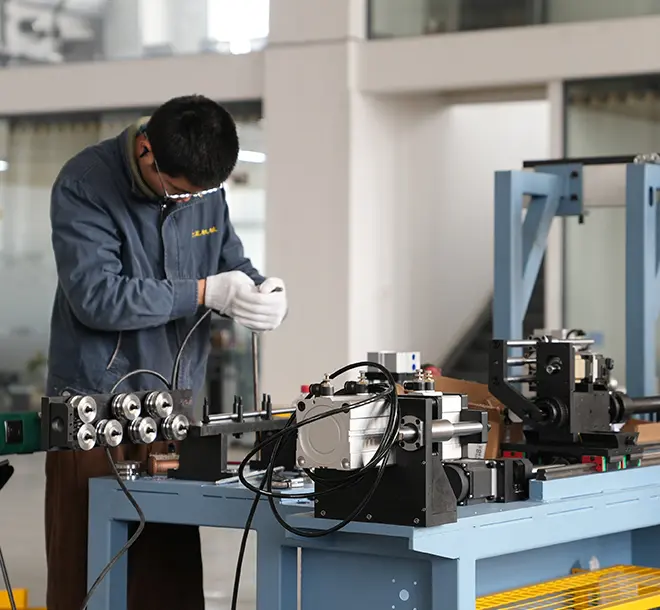
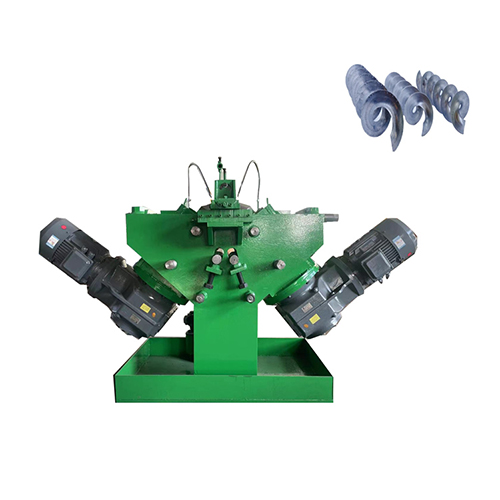
Continuous Spiral Blade Cold Rolling Machine SFR-220
Cold roll precise spiral blades from strip steel — versatile pitch, consistent tolerances, one set of rolls.
View machineCONTINUOUS HELICAL FLIGHT ROLLING
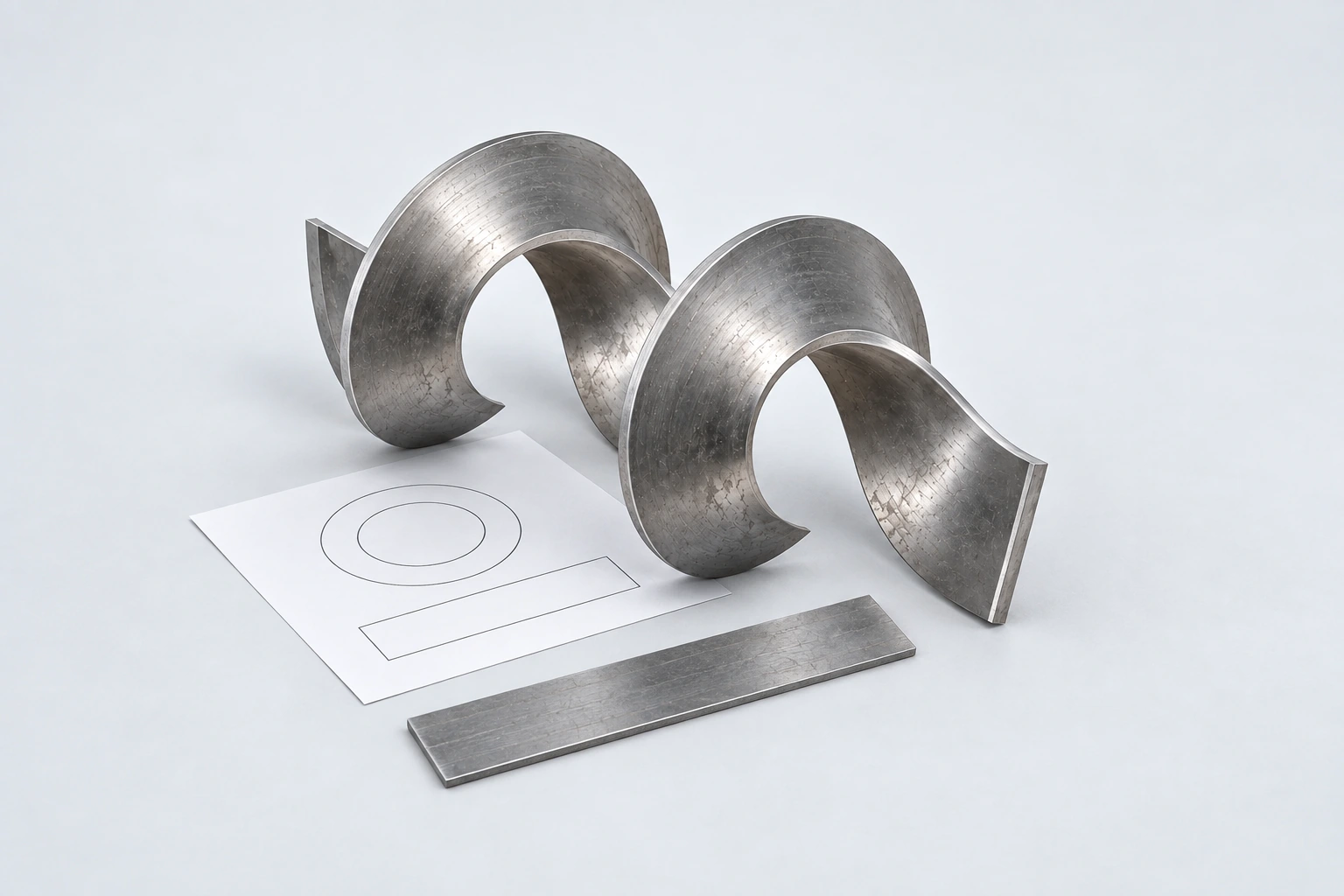
Roll steel strip into a continuing helical flight.
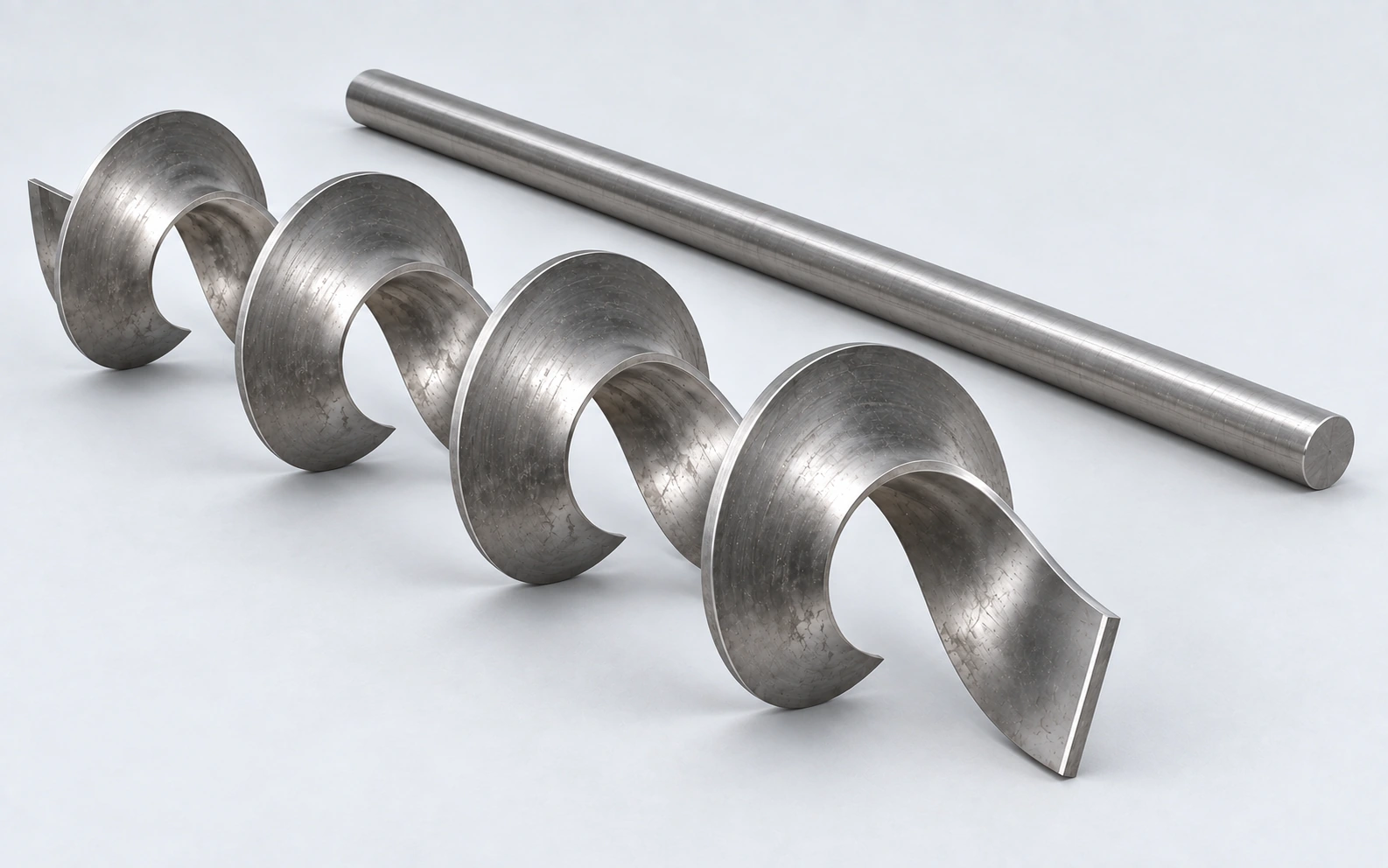
BOBO’s SFR-220 and SFR-320 use two conical rolls to form strip into continuous screw flights. Compare the incoming strip and finished helix geometry, then review adjustment, cut-off and handling: the SFR-220 uses mechanical screw adjustment, while the SFR-320 includes hydraulic cut-off.
Continuous flight forming from strip
Two conical rolls working together
Model-specific adjustment and cut-off
Continuous Spiral Blade Cold Rolling Machine
BOBO SFR-220 continuous spiral-flight rolling machine
MATCH STRIP TO FLIGHT
Strip grade and section. Flight diameters, pitch and cut length.
FIND YOUR MACHINE
Start with the strip grade, width and thickness, together with the flight’s inner diameter, outer diameter and pitch. The SFR-220 specification is based on SPHC strip. For either model, define the material and dimensional combination in the machine proposal, including the required discharge length and cut-off arrangement.
Cold roll precise spiral blades from strip steel — versatile pitch, consistent tolerances, one set of rolls.
View machine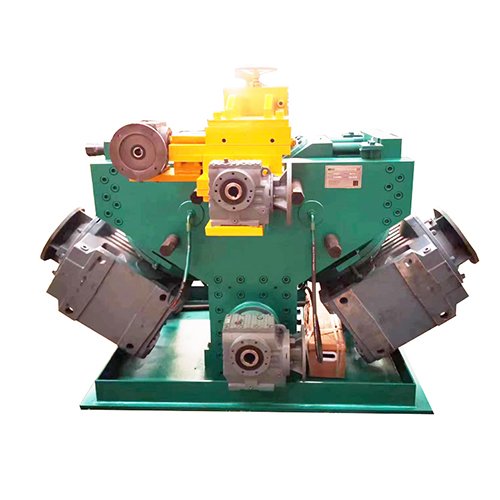
Produce continuous helical spiral blades from 25mm to 800mm OD in a single pass.
View machineWorking ranges are model-specific. Confirm material, product dimensions and the required operation against the selected machine.
PARTS & APPLICATIONS
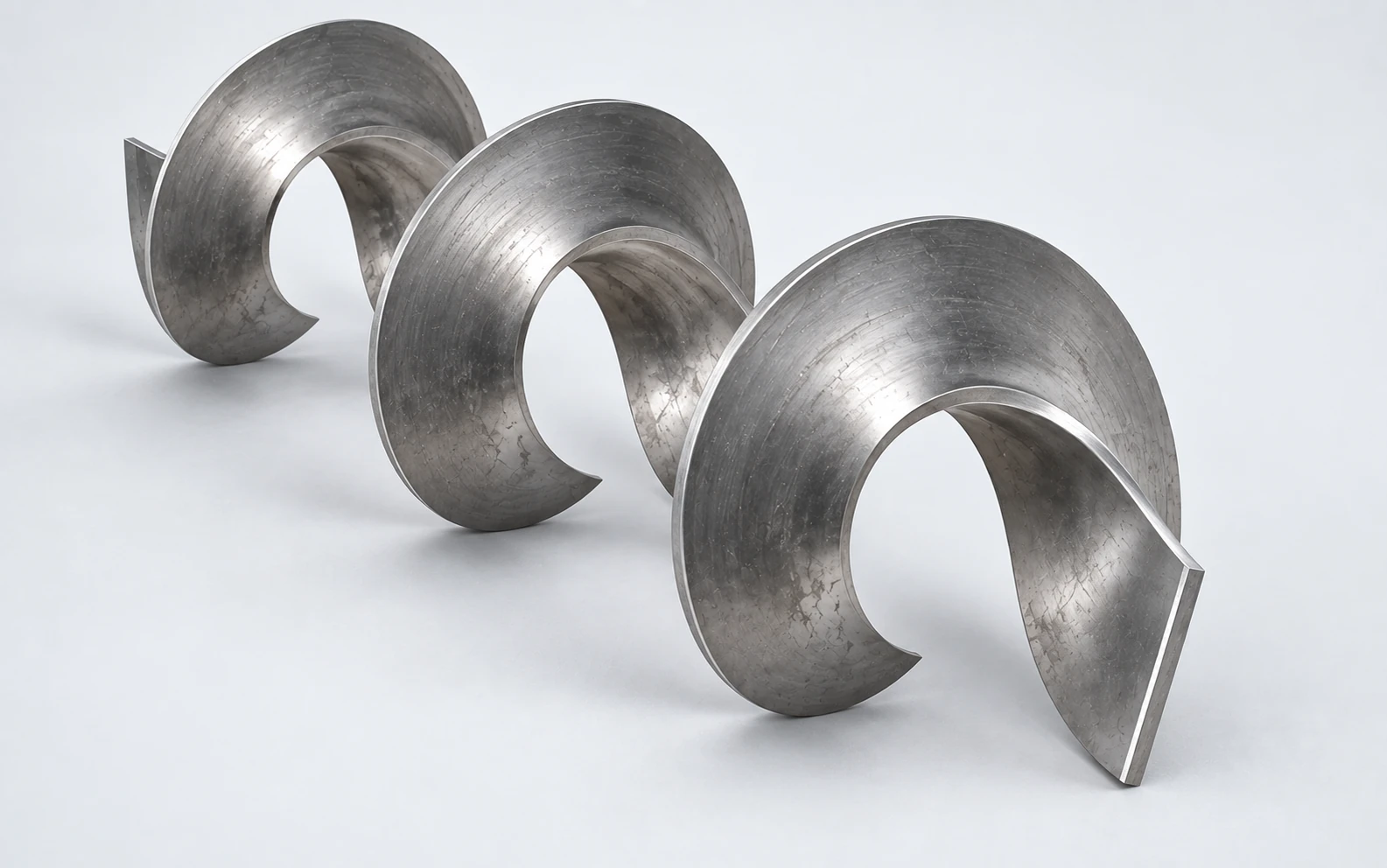
The output is a formed helical flight for later fabrication into a screw or auger. Choose the length and joining plan around the finished assembly rather than treating the rolling machine as a complete conveyor line.
01
Roll a continuing helix to the required inner and outer diameters and pitch. Define the length needed for fitting and joining to the conveyor screw.
02
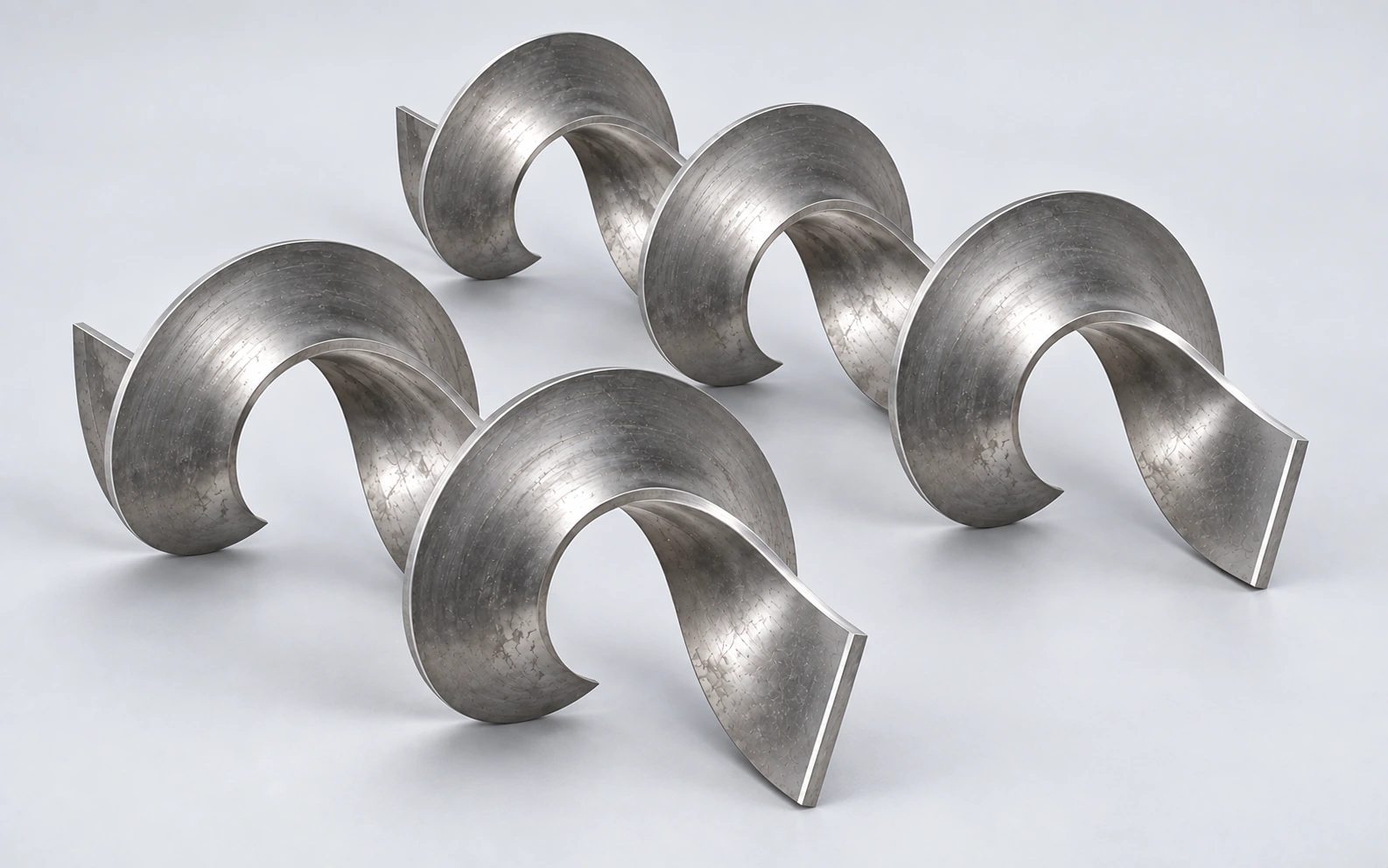
Produce continuous flight lengths for auger fabrication. The final shaft, drive connections, end details and any wear components are separate parts of the auger design.
03
Plan rolled replacement lengths around the existing screw’s dimensions and material requirement. Check the fit and joining locations before ordering a production setup.
SELECTION GUIDE
Strip thickness is only an input dimension. The finished helix needs its own requirements for inner and outer diameter, pitch and thickness at the relevant edges. Review those dimensions together when selecting the rolling setup.
01
State strip grade, width and thickness, plus the flight’s inner and outer diameters, pitch and handedness. Include the required thickness at the inner and outer edges and the length of each finished piece.
02
Match the chosen model to the full geometry and material combination. Compare its roll adjustment and speed-control arrangement, and specify how cut lengths will be made; the SFR-320 has hydraulic cut-off.
03
Check the formed dimensions and assembly fit on representative strip. Establish practical output with setup, discharge support and cutting included, then plan transfer to joining or shaft assembly.
Plan room to support the emerging helix and handle cut lengths. Forming a continuous flight can reduce segment joints, but shaft attachment, final joining and screw assembly still need a defined fabrication plan.
YOUR FINISHED PART
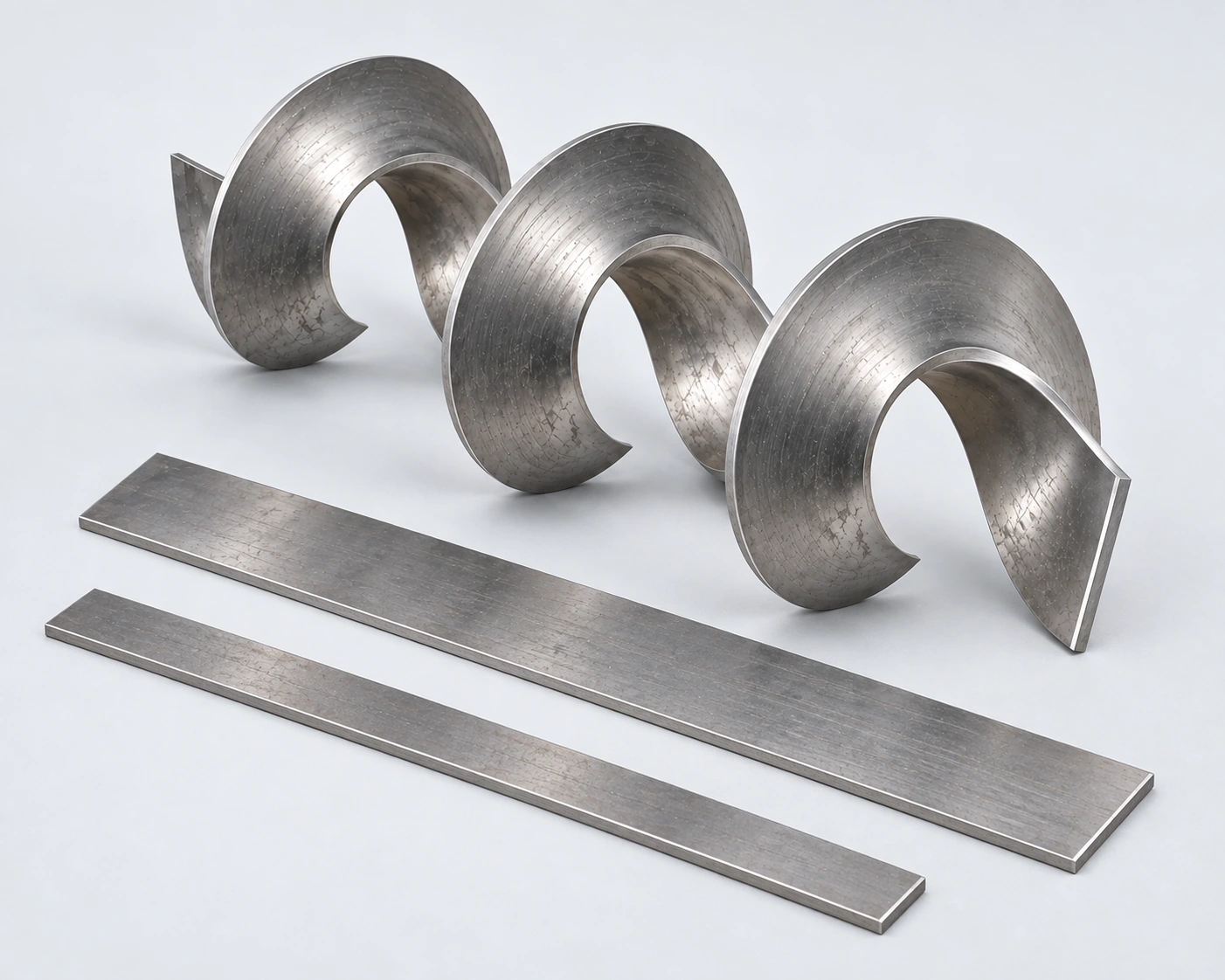
Include the material, dimensions and acceptance requirements.
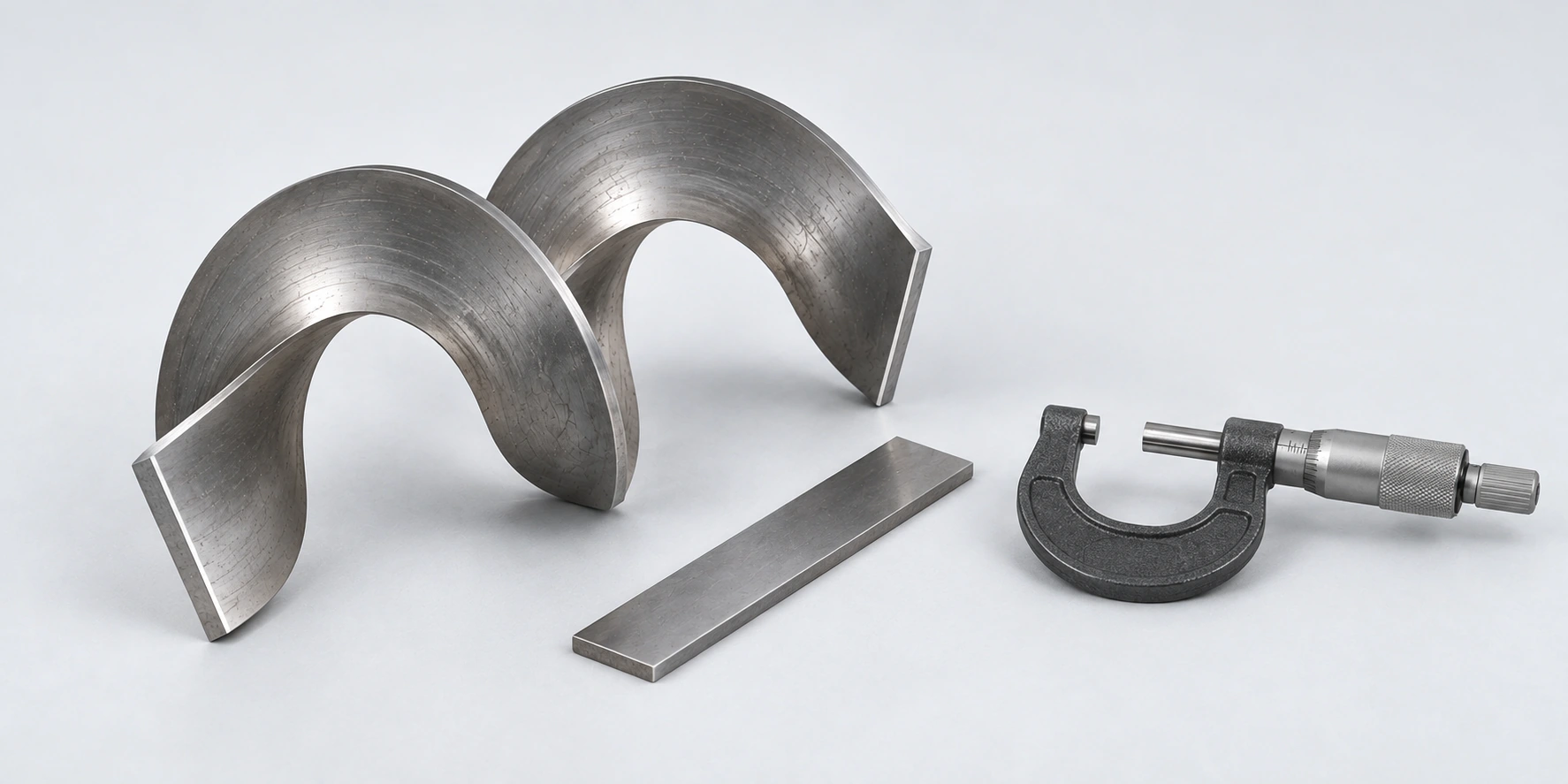
From technical review and testing to delivery and after-sales.
BOBO can review the strip specification and flight drawing, discuss roll settings and prepare trial criteria for the chosen model. Include edge-thickness checks, finished length, cut-off and discharge support in that discussion. Setup guidance, maintenance requirements and training can be planned around the agreed production sequence.
Strip and finished-flight review
Roll-setting and model assessment
Trial measurements and cut-off planning
Discharge handling and operator guidance
BEFORE YOU CHOOSE
Separate strip specifications, formed-flight requirements and the later screw assembly.
It produces the helical flight. A complete conveyor also needs its shaft or shaftless arrangement, drive, housing, bearings and other components. Include joining and assembly separately when defining the project.
Hydraulic cut-off is part of the SFR-320 specification. For the SFR-220, define the required cutting and length-handling arrangement in the quotation instead of assuming the two models have the same equipment.
They are different inspection points. Specify the required finished thickness at the inner and outer edges, and check it on a formed sample together with diameter and pitch. An incoming strip dimension alone does not define the completed cross-section.
Output also depends on the strip section, flight geometry, setup, cutting and handling. Compare daily output for a specified part and working period. Motor speed and roll speed describe different drives and should not be treated as finished-flight production rates.
START WITH A DRAWING OR SAMPLE
Include material grade and condition, strip width and thickness, flight inner and outer diameters, pitch, handedness and required edge thickness. State the length of each cut piece and how it will fit the final assembly.
Add output targets with working hours, available handling space, current cutting or shaft-assembly equipment, and the sample measurements you use for acceptance.
Continuous Spiral Blade Cold Rolling Machine / BOBO MACHINE