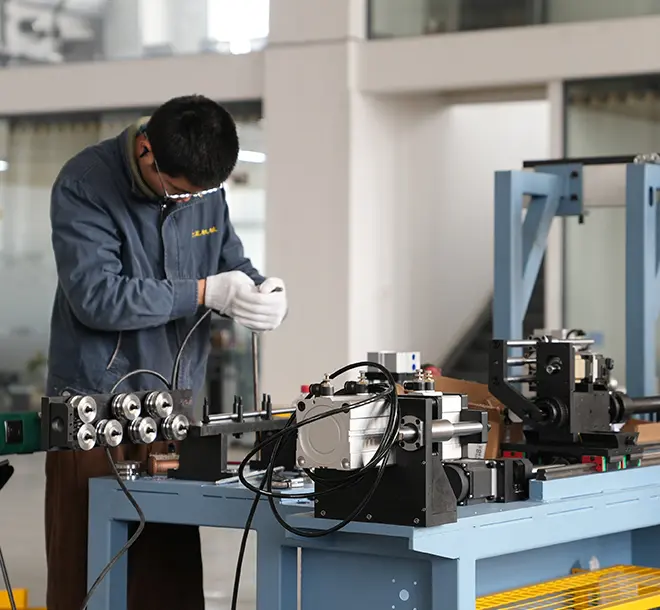
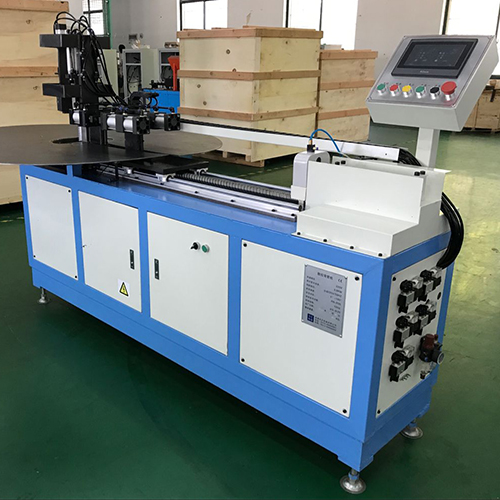
Aluminum Tube Serpentine Bender
Bend up to 12 aluminum tubes simultaneously with patented servo-controlled precision.
View machineTUBE BENDING & COIL FORMING
Form serpentine coils and three-dimensional tube parts.
BOBO supplies serpentine benders for heat exchanger tubing, single-head hydraulic and 3D tube benders, and dedicated boiler tube equipment. Integrated machines combine tube preparation with bending, while specialist units bend evaporator end tubes or reshape existing serpentine tubes.
Serpentine and multi-plane bending
Dedicated tooling for the tube profile
Standalone benders and integrated processing
Tube Bending Machine
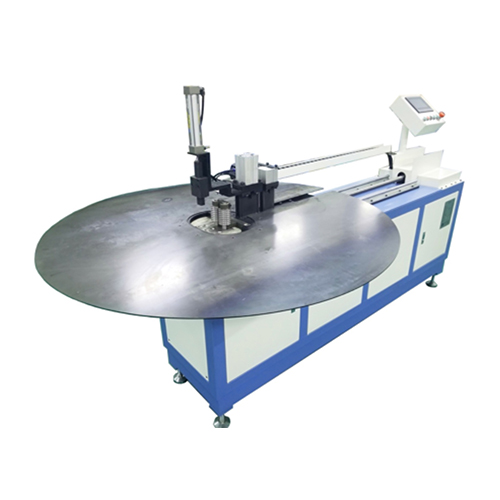
Steel / Bundy tube serpentine bender
DEFINE YOUR TUBE BENDS
Tube size, bend radius and finished-part geometry.
FIND YOUR MACHINE
Start with the bend pattern: repeated serpentine bends, a three-dimensional tube route or a boiler coil. Then compare the material range, tooling and loading arrangement. The integrated Bundy tube machines add straightening and cutting; the twisting and flattening machine starts with an already-bent serpentine tube.
Bend up to 12 aluminum tubes simultaneously with patented servo-controlled precision.
View machine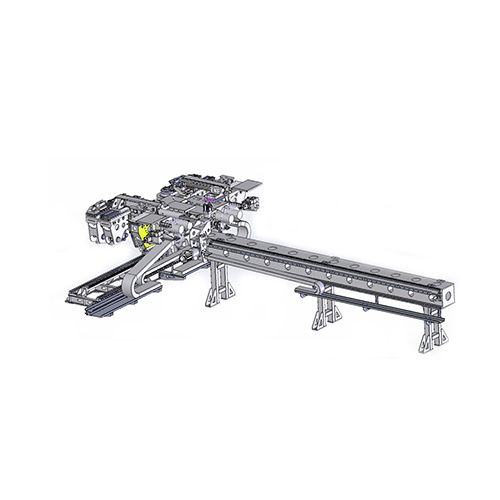
Continuous serpentine tube bending for boiler, metallurgy, and chemical applications.
View machine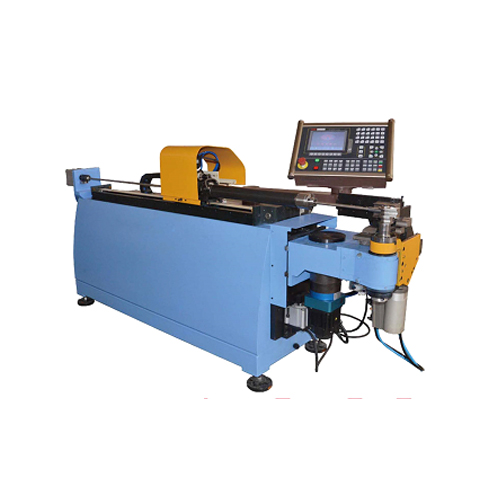
CNC 3D tube bending with pneumatic clamping for precise, repeatable multi-axis forming.
View machine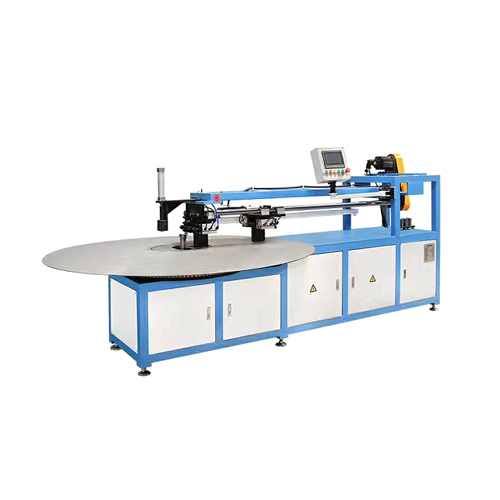
Servo-controlled serpentine bender for grouped copper and aluminum tube forming.
View machine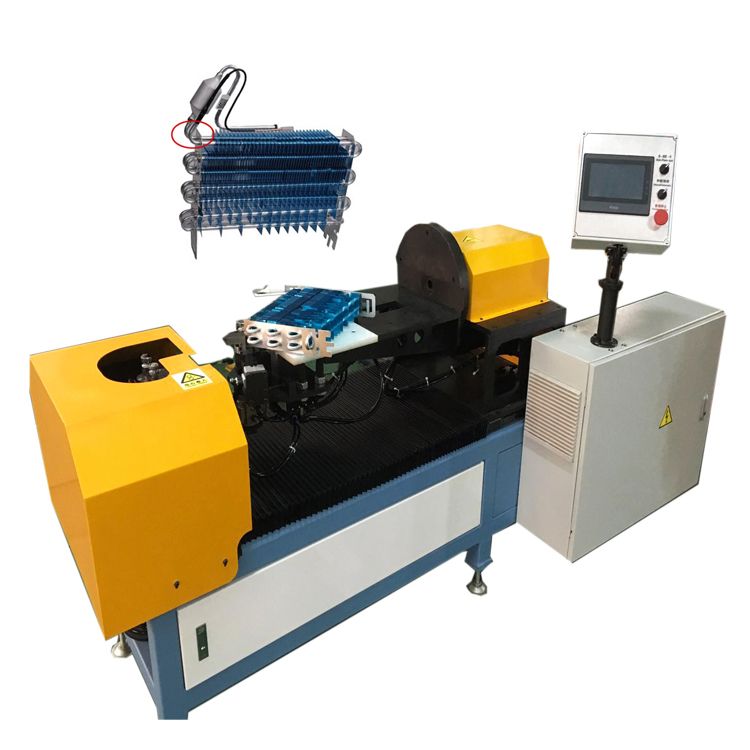
Automated aluminum tube bending for fin evaporators — precise, fast, and repeatable.
View machine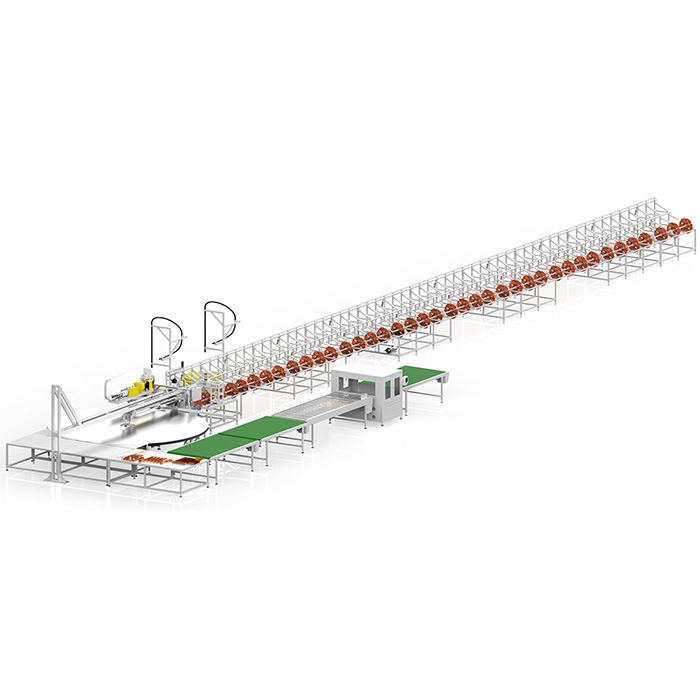
Fully integrated Bundy tube cutting, end forming, bending, and taping in one automated line.
View machine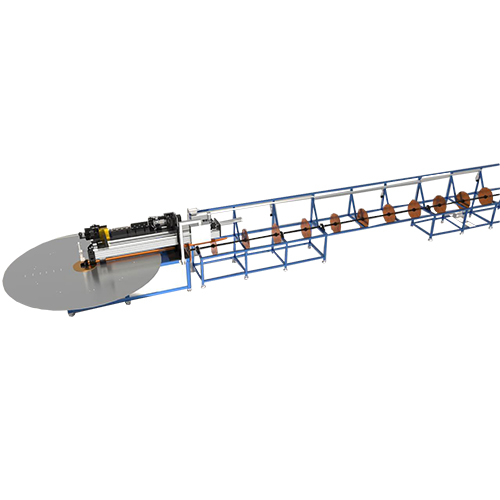
Fully automatic Bundy tube straightening, cutting, and bending in one integrated line.
View machine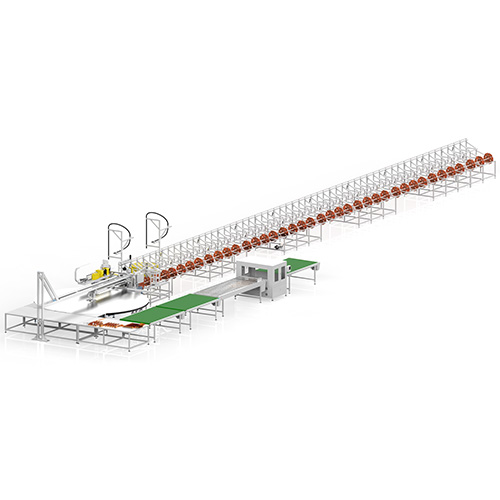
Fully integrated Bundy tube line: uncoil, straighten, cut, expand, tape, and bend in one pass.
View machine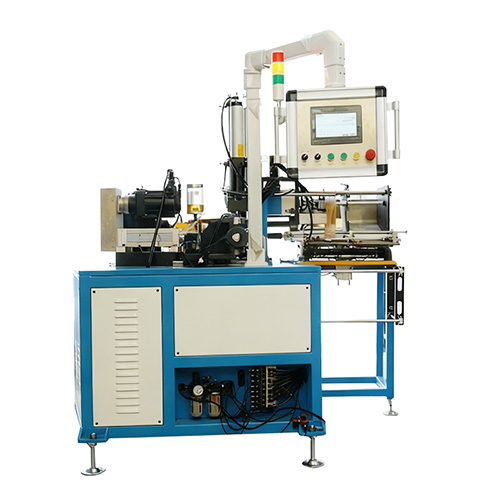
Bend and end-form stainless steel tubes in one automated cycle — no manual transfer needed.
View machineWorking ranges are model-specific. Confirm material, product dimensions and the required operation against the selected machine.
PARTS & APPLICATIONS
These examples show repeated serpentine bends, boiler tube bends and U-shaped parts with formed ends. The required tube geometry and any end features guide the machine and tooling choice.
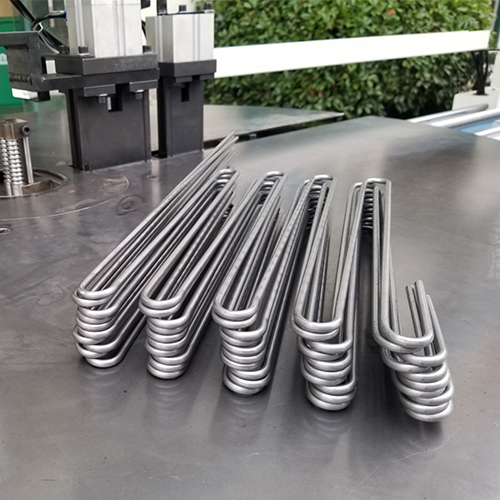
01
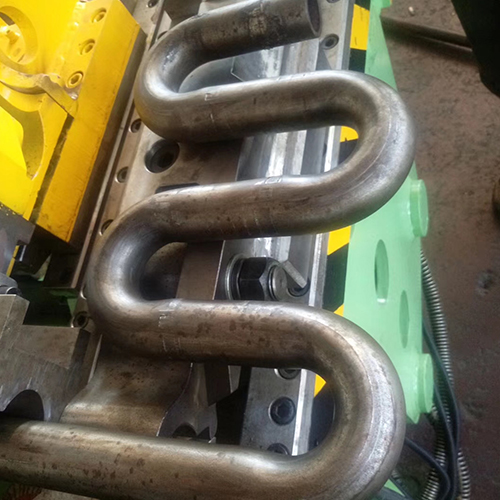
Grouped tube samples from the steel/Bundy serpentine bender show return bends. Tube pitch, bend radius and the intended tube group guide the tooling for condenser and heat exchanger work.
02
A bent tube shown on the boiler bender illustrates its repeated bend pattern. Review the tube size, wall thickness, bend spacing and long-part handling for the required coil.
03
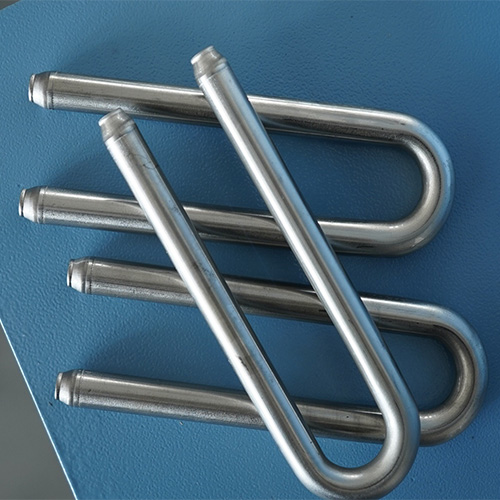
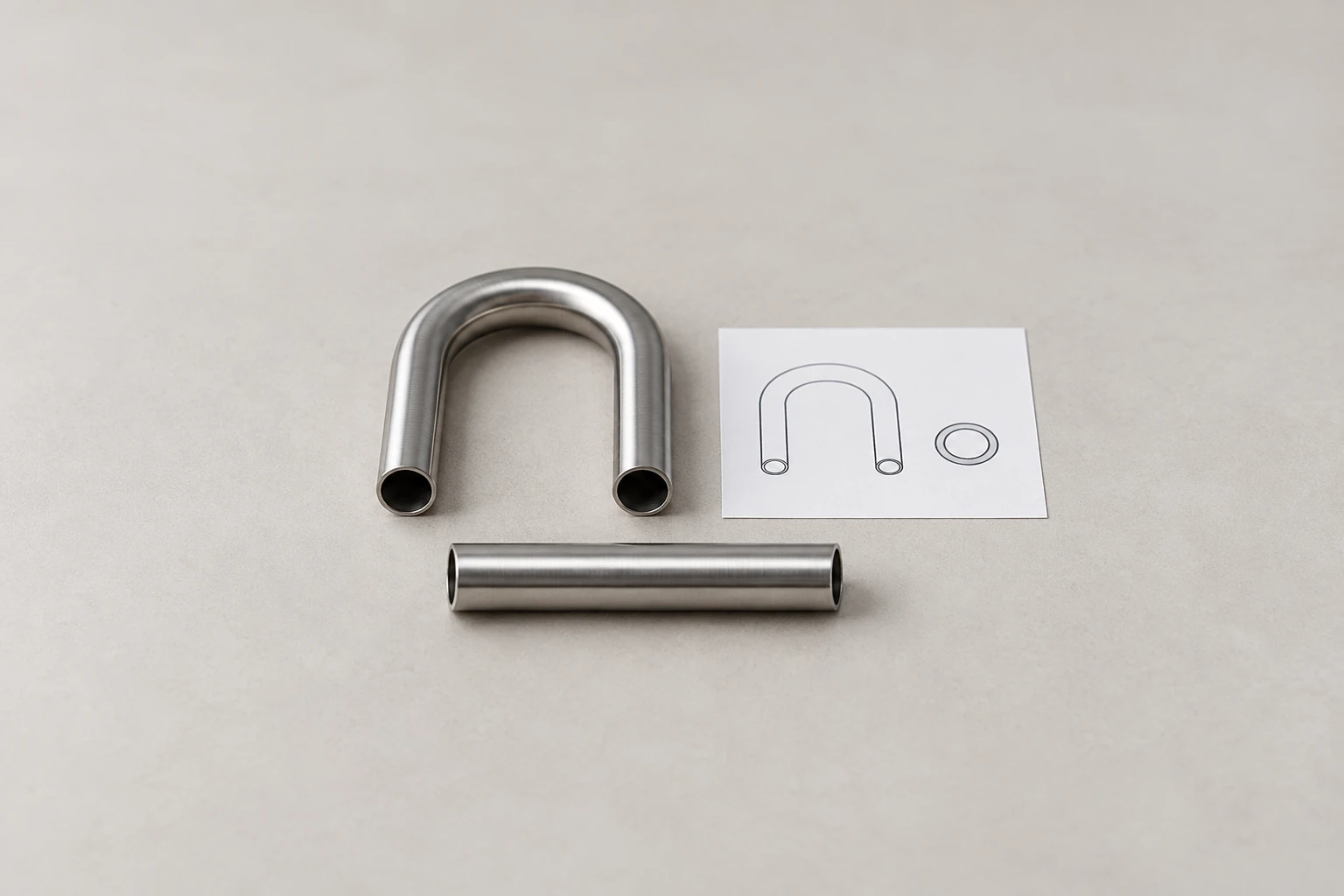
U-shaped samples from the stainless steel bending and end-forming machine show bend and end features on the same part. Include both in the drawing when defining the required stations and tooling.
SELECTION GUIDE
Tube diameter alone cannot define a bending setup. The material, wall thickness, bend spacing and finished part envelope all affect the tooling and handling required. Review the complete part before selecting the machine size.
01
Identify the bend radii, straight lengths, changes of plane and overall part envelope. These determine how the tube can be clamped and moved without the formed sections interfering with the machine.
02
Review material grade and condition together with diameter, wall thickness and surface requirements. Set inspection criteria for bend shape and deformation so the tooling trial addresses the finished part, not just the programmed angle.
03
Choose between prepared tube lengths and an integrated preparation route. Include loading, unloading and model changes in the output calculation; identify any end work, twisting or flattening as a separate station or machine.
For parts that also need end forming, establish the processing order early: an enlarged end or fitted component can change how the tube is clamped and moved through the bending cycle.
YOUR FINISHED PART
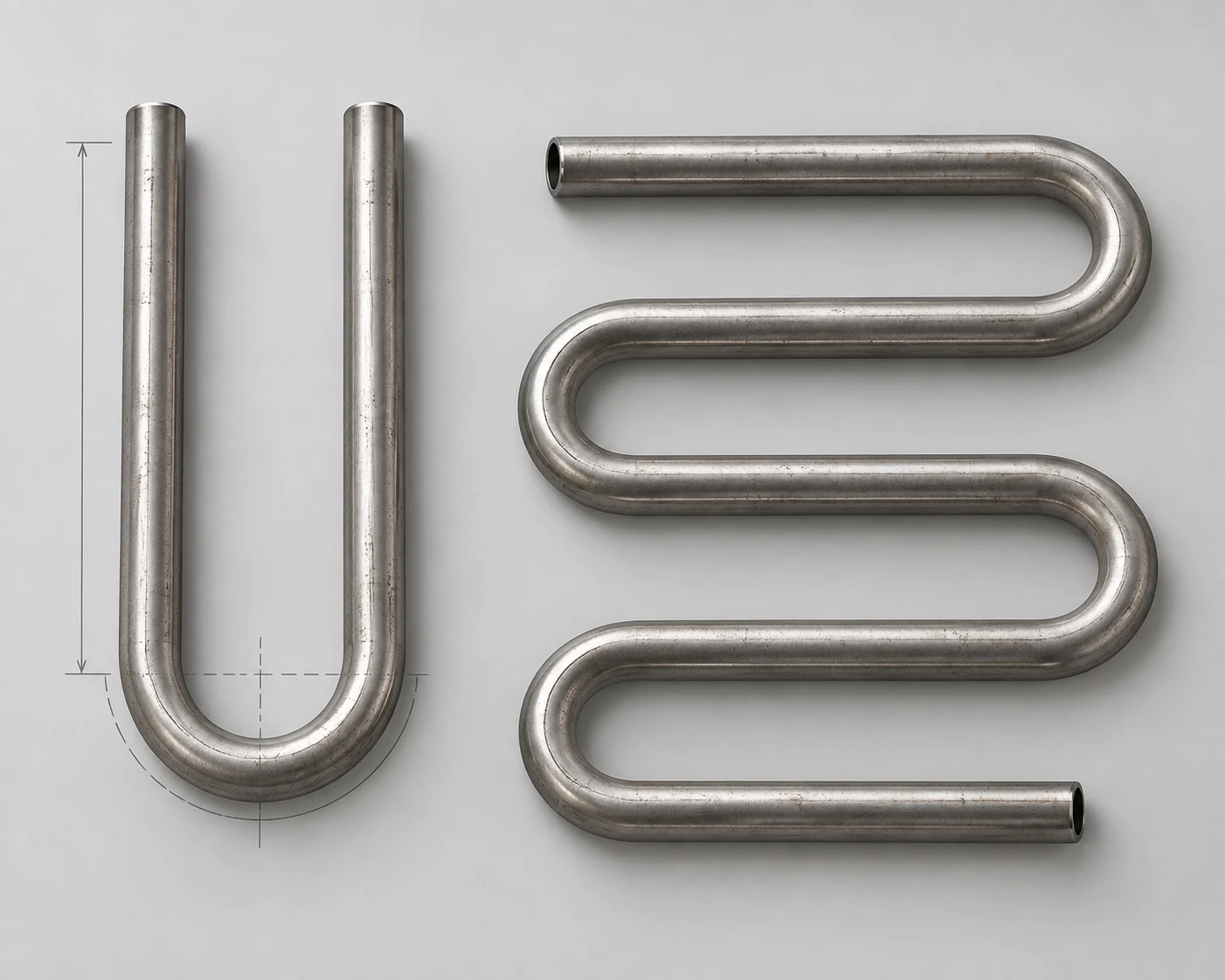
Include the material, dimensions and acceptance requirements.
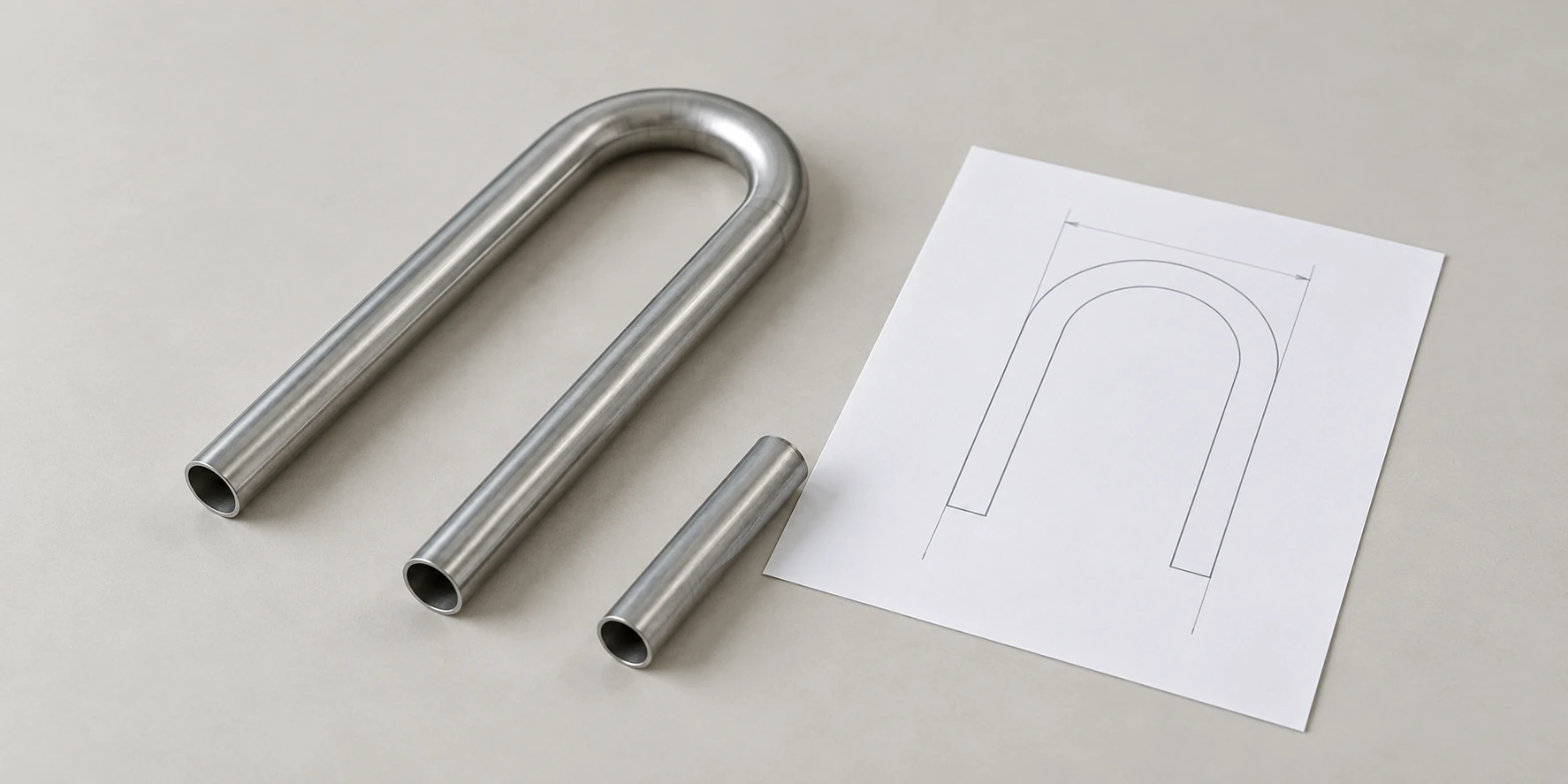
From technical review and testing to delivery and after-sales.
Work with BOBO on the bending layout, tooling and any preparation or end-finishing stations. Define the sample inspection points before the trial, then include the agreed tooling, operator training and commissioning arrangements in the supply scope.
Part geometry and bending sequence review
Bending dies, clamps and changeover scope
Sample dimensions and surface inspection
Layout, training and commissioning arrangements
BEFORE YOU CHOOSE
Use these distinctions to compare machines that may look similar in a product list but perform different work.
A serpentine bender is designed around a repeated back-and-forth tube pattern. A 3D bender also rotates the tube between bends to produce changes of plane. Use the complete tube drawing, including bend directions and straight sections, to establish which arrangement fits the part. Dedicated evaporator-end and boiler machines serve more specific workpieces.
Several BOBO serpentine models support grouped tube bending. The workable group depends on the machine, tube diameter, material and tooling. Compare output using the proposed tube group and the complete loading, bending and unloading cycle, rather than treating the maximum number of tubes as a universal capacity.
Only when those stations are part of the selected configuration. The integrated Bundy tube machines describe both operations. A standalone serpentine bender may work with a separate cut-to-length machine, and a fixed-length feeding device does not by itself provide cutting. List the preparation steps already available in your workshop when comparing these routes.
Check the finished bend angles, radii, straight lengths and overall geometry after the tube is released. Agree acceptable ovality, wall thinning and surface marks where they matter to the part. Use the intended production material and representative part shapes; machine positioning accuracy alone does not establish the quality of a finished bend.
START WITH A DRAWING OR SAMPLE
Send a dimensioned drawing or 3D model with the material grade and condition, outside diameter, wall thickness, bend radii and tolerances. Include the part sizes, batch quantities and required output so BOBO can review the bending route and tooling.
Also note whether tubes arrive in coils, cut lengths or assembled parts, and identify any cutting or end-forming operations needed.
Tube Bending Machine / BOBO MACHINE