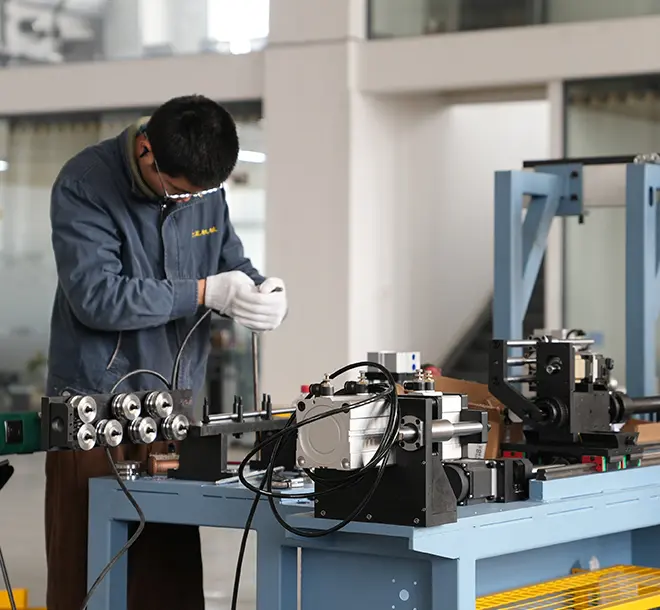
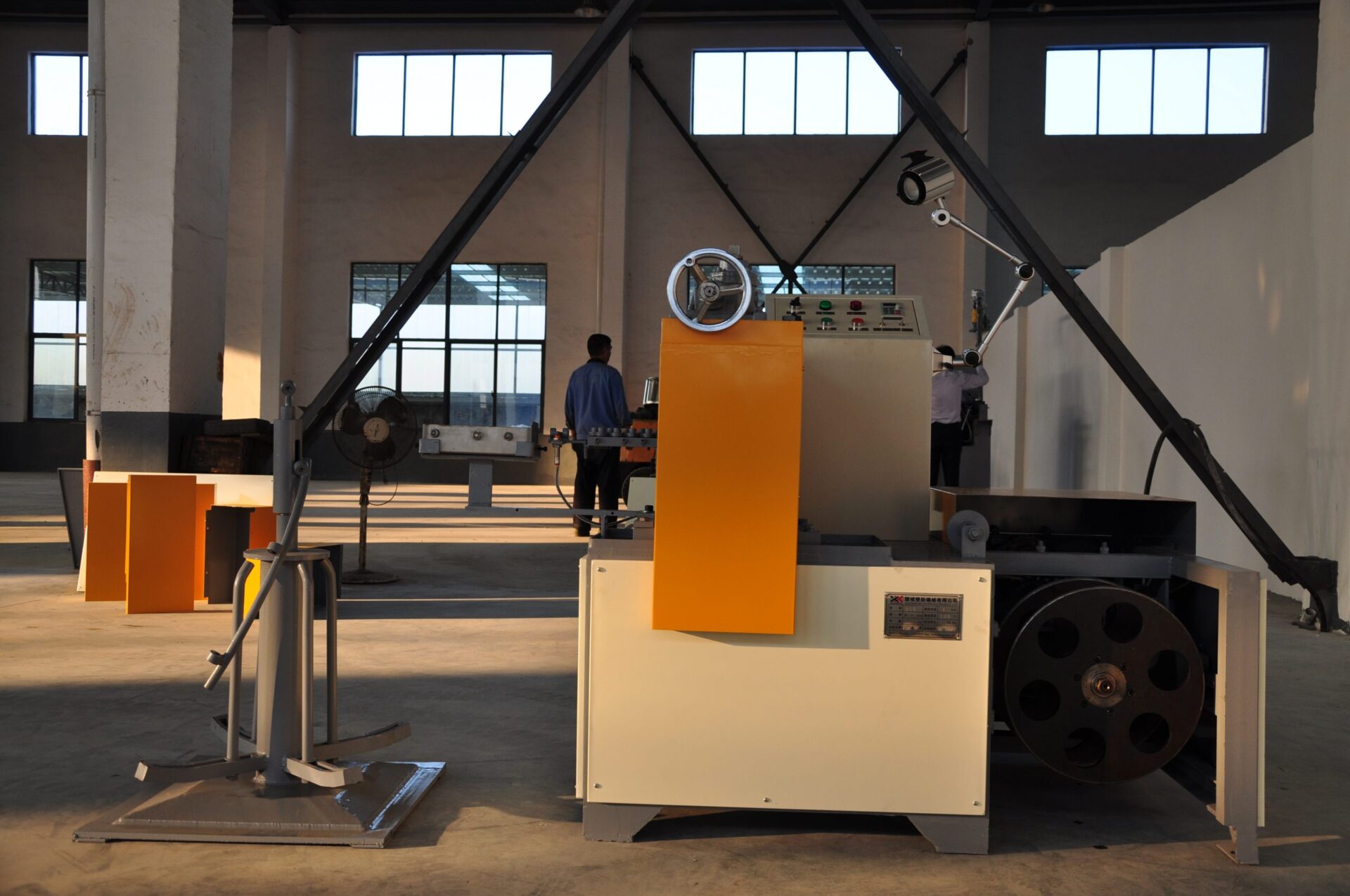
Flat Wire Rolling Machine WF Series
Precision flat wire rolling for outer casing conduit production at ±0.01mm tolerance.
View machineMECHANICAL CABLE MATERIAL PREPARATION
Roll round steel wire into flat wire for cable casing production.
BOBO’s wire flattening machines prepare flat steel wire for mechanical cable outer casings. The range combines a straightening feed with adjustable rolling speed, with different roller materials and cooling arrangements to suit the proposed setup.
Round steel wire to flat casing feedstock
Straightening before the rolling pass
Roller and cooling options matched to the job
Wire Cable Machine
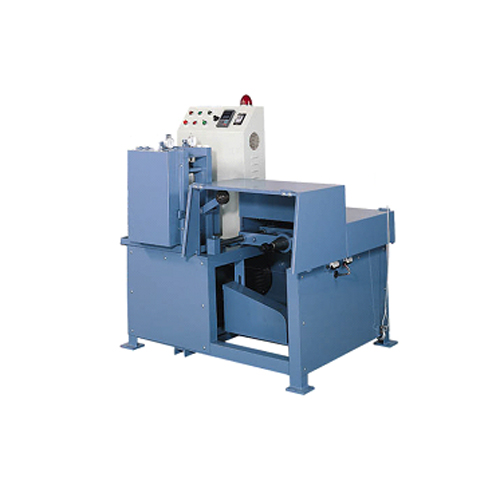
Wire flattening equipment for steel cable-casing feedstock.
START WITH THE WIRE SECTION
Round wire in. Flat section out. Match the steel grade, width and thickness to your casing process.
FIND YOUR MACHINE
Start with the steel wire grade and incoming diameter, then compare the required flat width and thickness. The WF listings include carbide-alloy and hardened-steel roller configurations; the roller specification and cooling provision belong to the selected machine.
Precision flat wire rolling for outer casing conduit production at ±0.01mm tolerance.
View machinePrecision wire flattening with ≤±0.01mm tolerance for outer casing conduit production.
View machineWorking ranges are model-specific. Confirm material, product dimensions and the required operation against the selected machine.
PARTS & APPLICATIONS
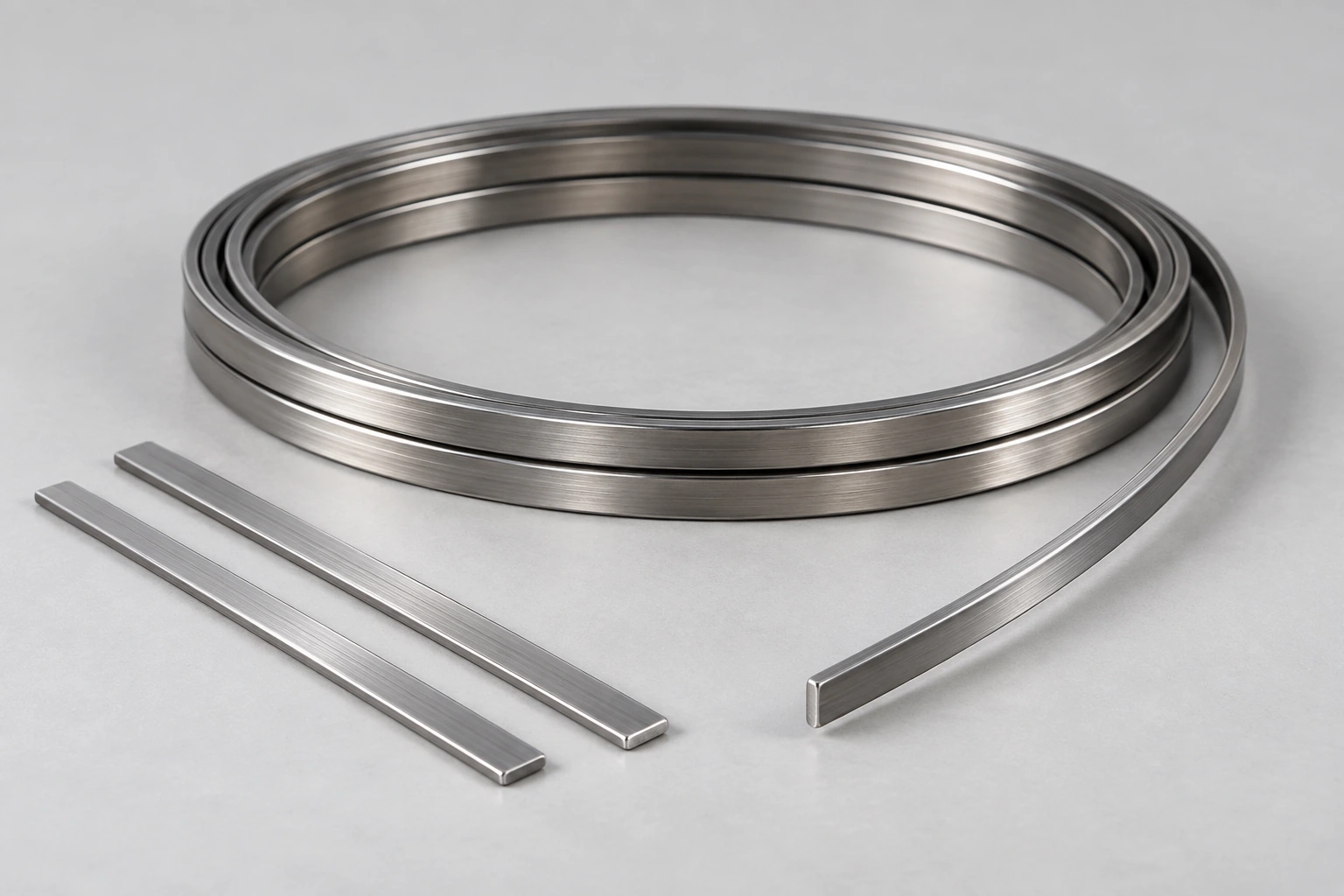
Flattening prepares the steel wire used in subsequent casing manufacture. The finished section must suit the downstream forming operation, so width, thickness and surface condition matter together.
01
Prepare round steel wire as flat feedstock for mechanical cable outer casing manufacture. Specify the section and surface required by the next forming operation.
SELECTION GUIDE
A suitable setup needs to reduce thickness while producing the required width from the incoming round wire. Steel grade, reduction and surface requirements affect the rolling trial; a matching input diameter alone does not establish the finished result.
01
Use the actual steel grade, diameter and supply condition. These establish the starting section and material behavior for the rolling trial.
02
Specify width, thickness, their tolerances and the acceptable edge and surface condition. Review the required reduction with the roller setup instead of selecting by nominal wire diameter alone.
03
Choose the roller material and cooling arrangement for the proposed duty, then define how wire is fed and collected. Include reel changes and downstream handling in the output calculation.
Agree the acceptance dimensions on a sample of rolled wire, then check how that material feeds into your casing-making equipment.
YOUR FINISHED PART
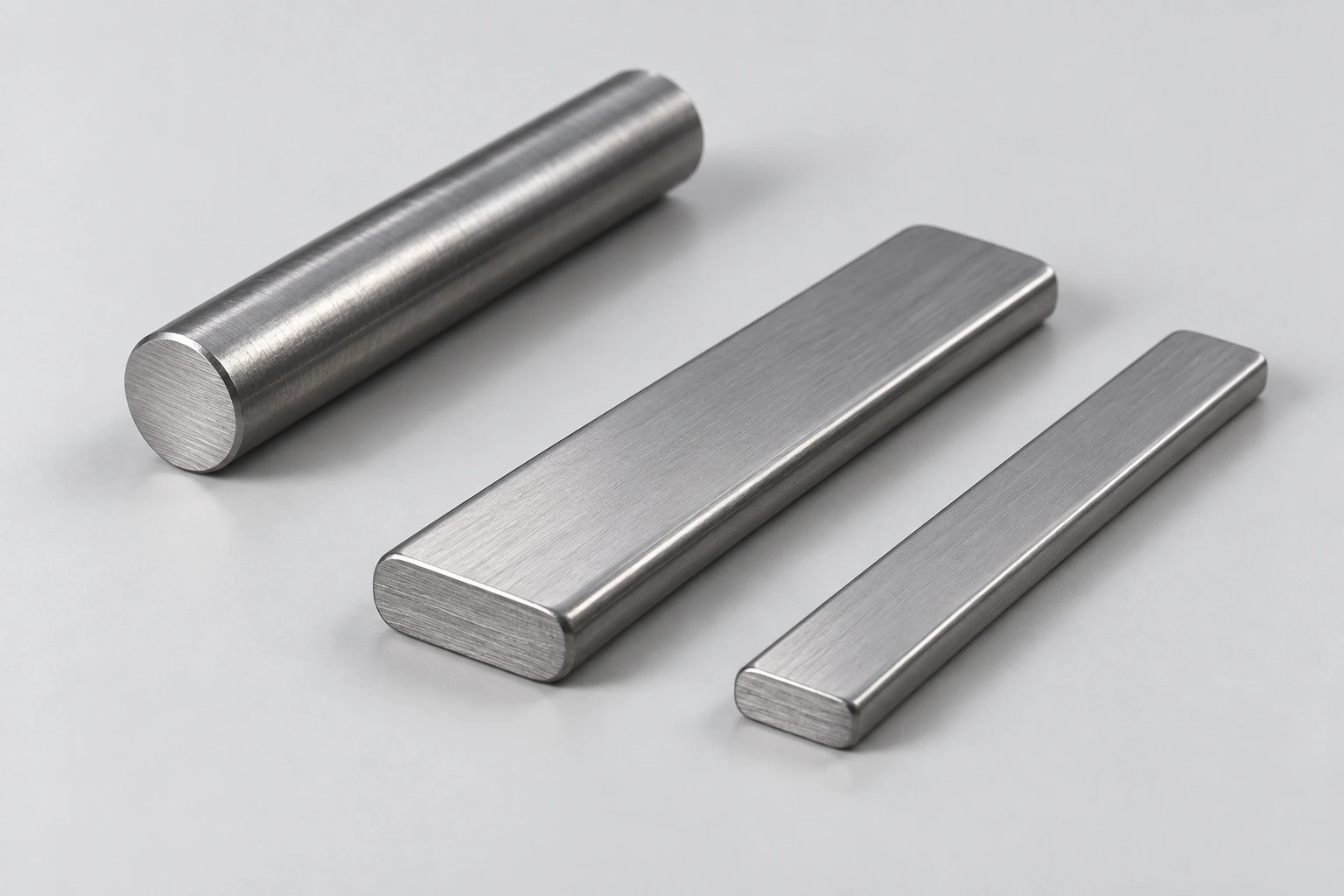
Include the material, dimensions and acceptance requirements.
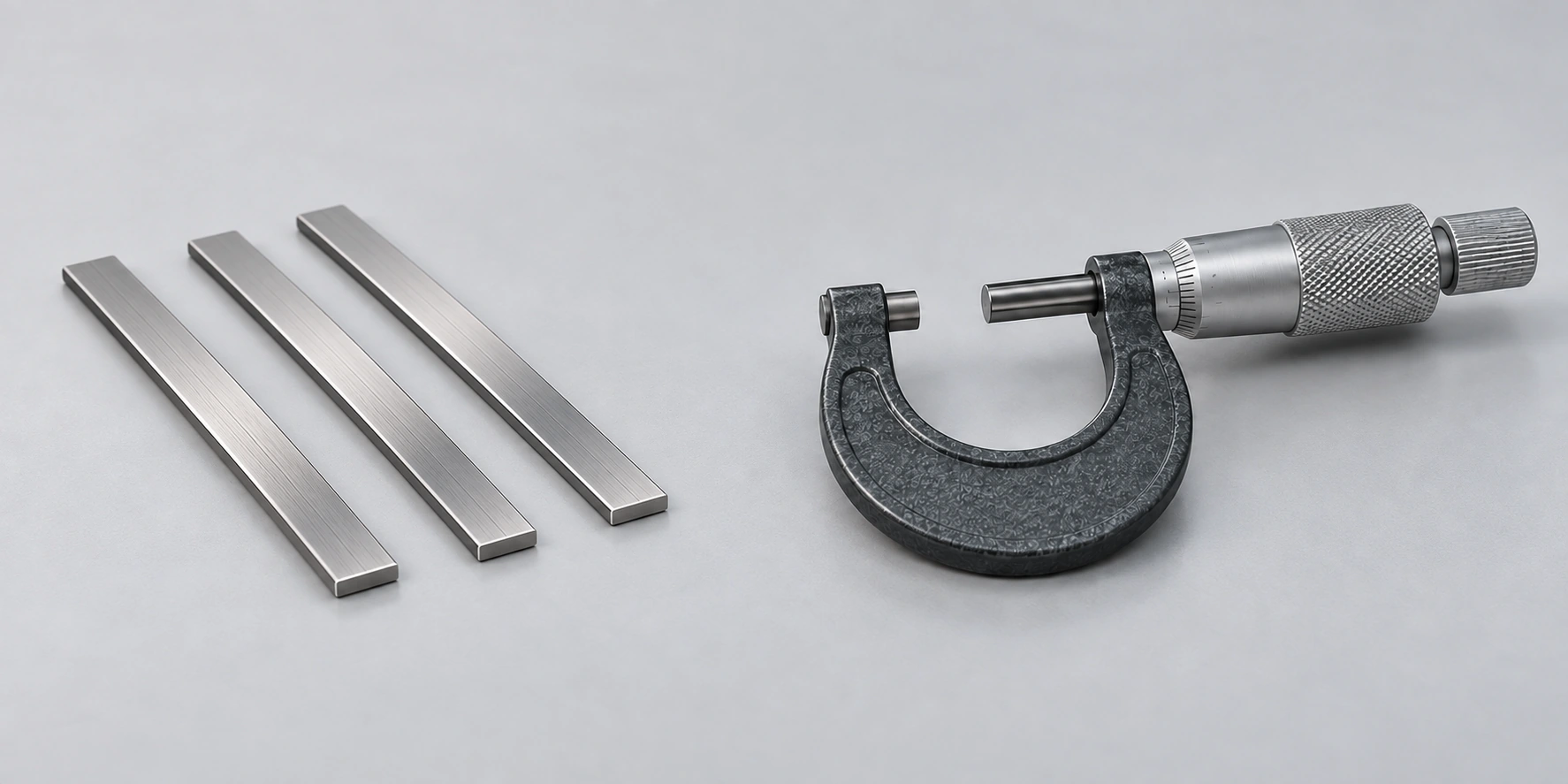
From technical review and testing to delivery and after-sales.
BOBO can review the raw wire and target section, discuss the roller and cooling configuration, and agree sample-trial checks before delivery. Feed and collection requirements can be included in the equipment review so the rolling station fits the way your workshop handles wire.
Review steel grade, incoming wire and target section
Define roller material, cooling and wire handling
Agree width, thickness and surface checks for a trial
Plan setup guidance, maintenance and spare-part support
BEFORE YOU CHOOSE
These questions distinguish wire preparation from the later stages of cable casing production.
It rolls round steel wire into flat feedstock. Forming that wire into a casing is a separate operation. Choose the flat-wire section to match the casing-making machine and finished casing design.
Both dimensions are linked to the incoming wire and the amount of reduction. Start with the required flat section and steel grade, then establish the input diameter and rolling setup together. A sample trial can check the actual dimensions and edge condition.
There are different roller configurations. The carbide-alloy roller listing specifies operation without water cooling, while the hardened Cr12MoV roller listing offers water cooling as an option. Use the cooling arrangement specified for the machine and rolling duty you select.
No. Bobbin capacity describes the wire load that the specified bobbin arrangement can hold. Rolling speed describes how fast wire passes through the machine; shift output also includes loading, threading and changeovers.
START WITH A DRAWING OR SAMPLE
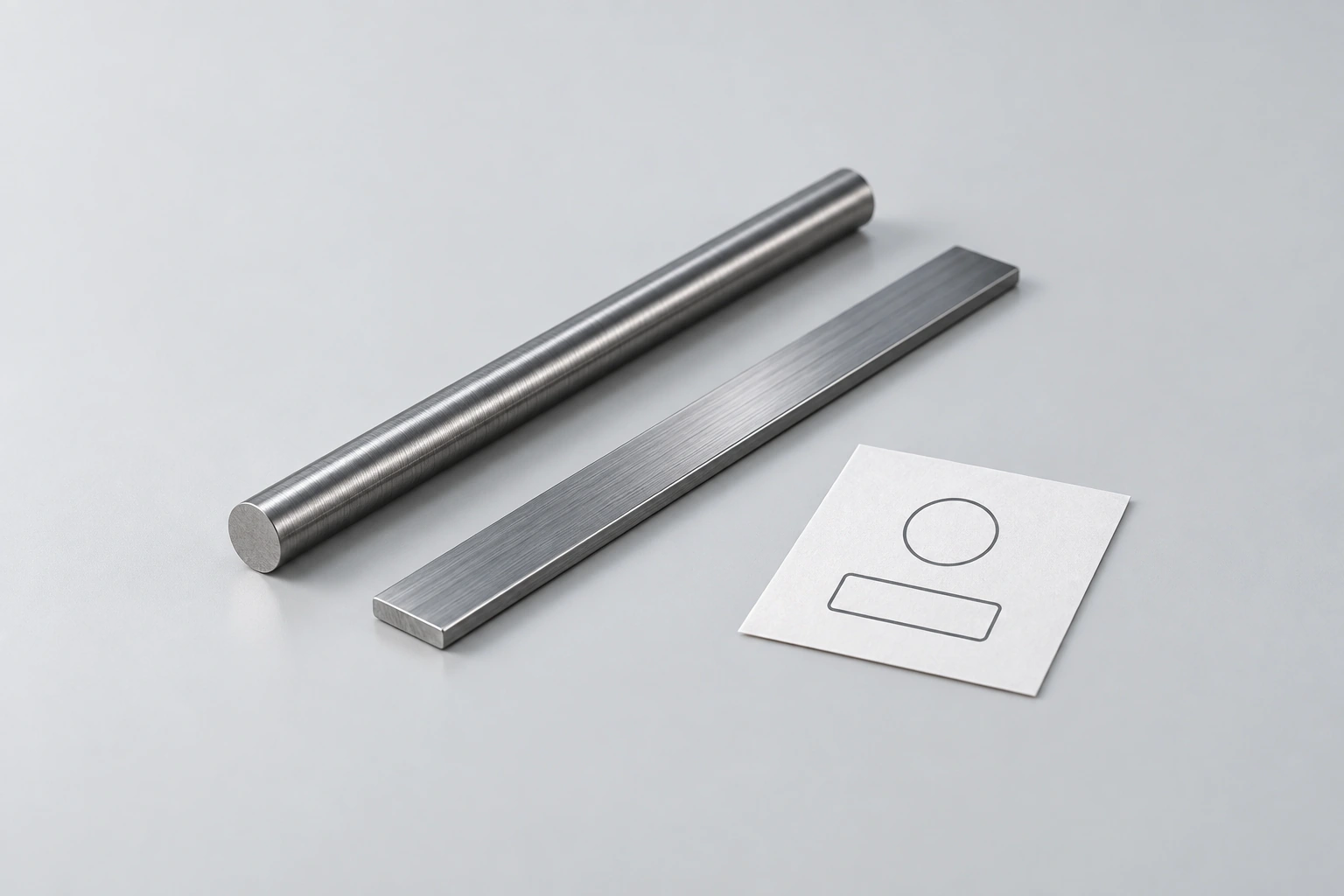
Send the steel grade, incoming diameter and target width and thickness with tolerances. Add a section drawing or sample, surface requirements, the downstream casing process, desired output and your present pay-off and collection arrangement.
Useful attachments: raw-wire specification, finished-section drawing and photos of your wire handling or casing-forming setup.
Wire Cable Machine / BOBO MACHINE