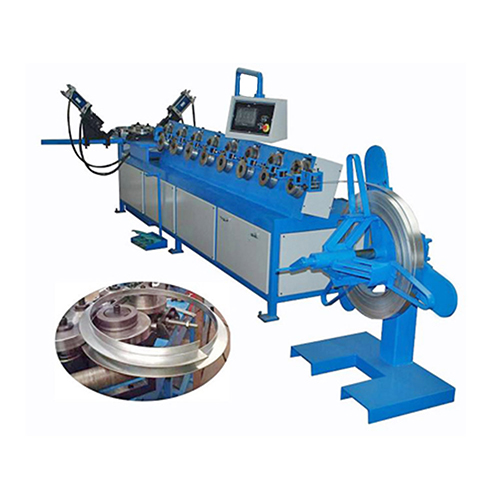
Automatic Angle Steel Flange Making Machine
Automatic angle steel flange forming from coil — feed, roll, bend, and cut in one pass.
View machineSPIRAL DUCT PRODUCTION
Build the duct body, then match the fittings and connections.
BOBO supplies spiral tubeformers for round metal duct, ovalizers for prepared round duct, and equipment for elbows, flange rings and fitting ends. Select a production setup around the duct section, material and joint design, with cutting and joining equipment matched to the work your shop performs.
Spiral round duct forming with model-specific tooling
Separate flat-oval and elbow production routes
Flange forming, end preparation and welding equipment
Spiral Duct Machine
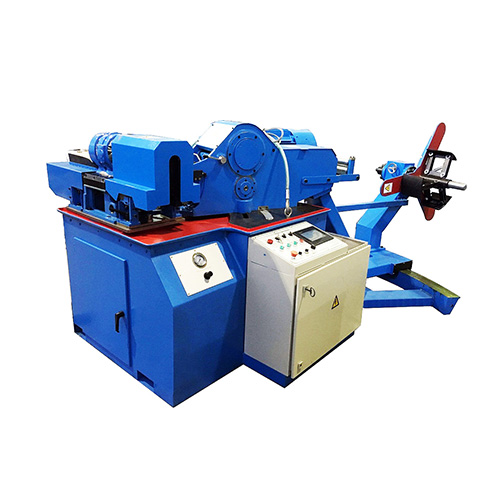
BTF-III spiral duct forming machine
DEFINE YOUR DUCT AND JOINT
Round or oval section, metal thickness and connection detail.
FIND YOUR MACHINE
Compare BTF tubeformers by forming head, material range and cut-off method. The spiral welding line uses a welded joint; the ovalizer starts with prepared round duct. For fittings, compare plasma cutting and sheet rolling with elbow seaming, welding, beading and flange equipment. Auto-line III serves rectangular duct preparation, while the flexible-duct model makes wire-reinforced foil and film duct: these are separate production routes.
Automatic angle steel flange forming from coil — feed, roll, bend, and cut in one pass.
View machine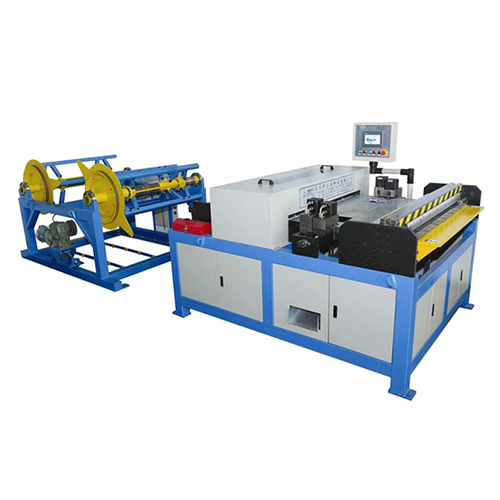
Fully automated rectangular duct line: coil to finished panel in one pass.
Cutting, Hole punching, Sheet bending and folding, Straightening and leveling, Notching
View machine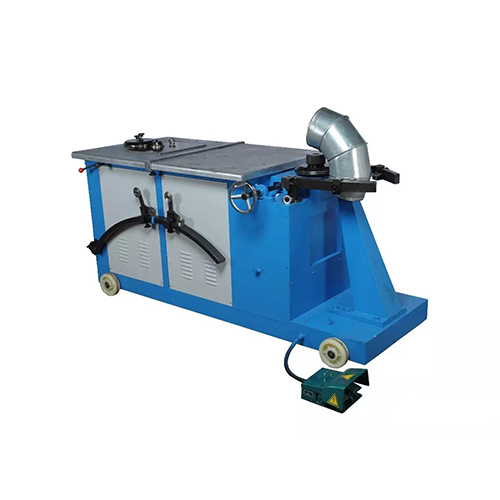
Economical elbow forming with integrated flanging and lock seam in one machine.
View machine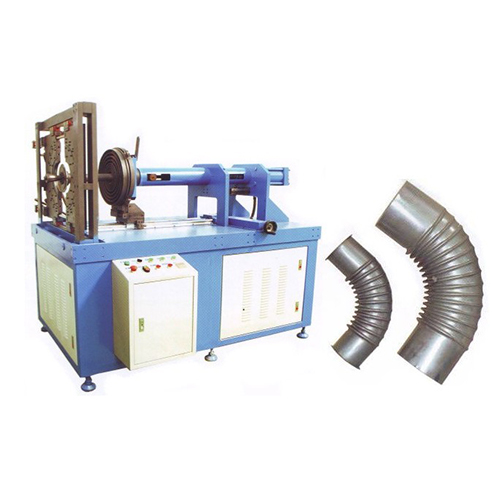
Hydraulic corrugated elbow forming from spiral tube in 3 minutes per piece.
View machine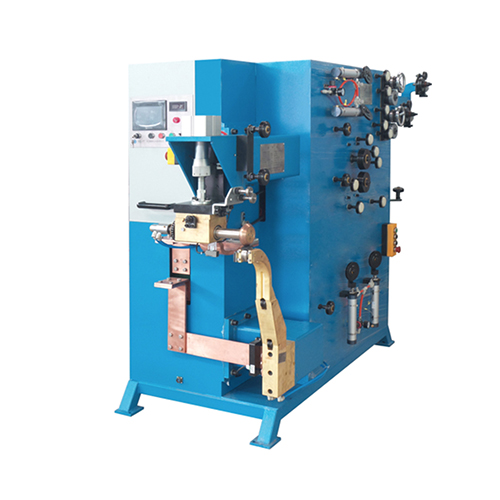
Precision elbow seam welding for HVAC duct fittings, 80–250mm diameter range.
View machine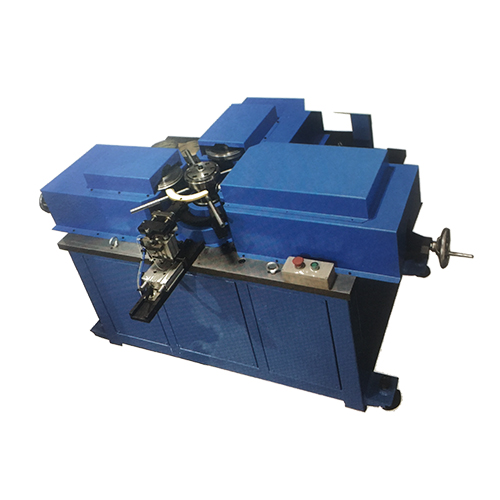
Seal every fitting tight — reduce duct leakage across 80–400 mm diameters.
View machine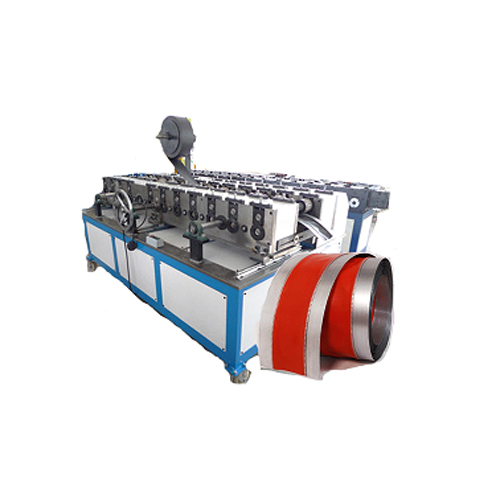
Produce fireproof flexible duct connectors continuously at 6–8 m/min in one integrated line.
View machine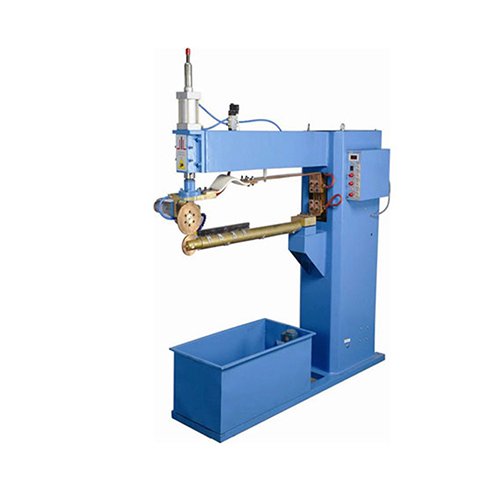
Continuous resistance seam welding for leak-proof galvanized and stainless steel joints.
View machine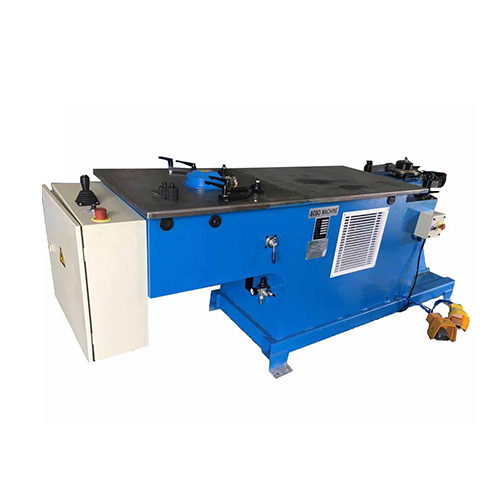
Form duct elbows 5x faster with hydraulic precision across 80–600mm diameters.
View machineWorking ranges are model-specific. Confirm material, product dimensions and the required operation against the selected machine.
PARTS & APPLICATIONS
A duct workshop may produce straight lengths, bends and connecting parts in different batches. Match each part to its forming or joining operation so the equipment fits the actual order mix.
01
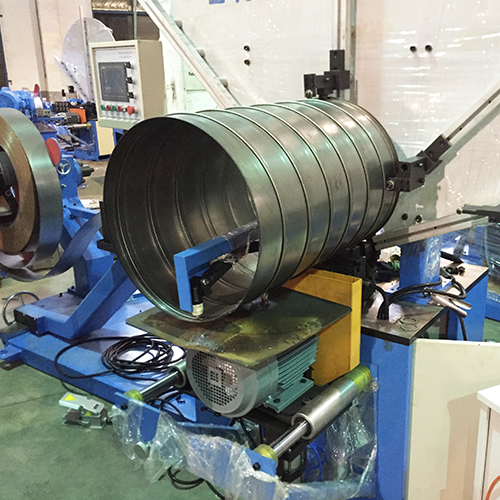
Metal strip is formed into straight round duct with a spiral lock seam for HVAC ventilation. Match the forming head, seam arrangement and cut-off system to the duct specification.
02
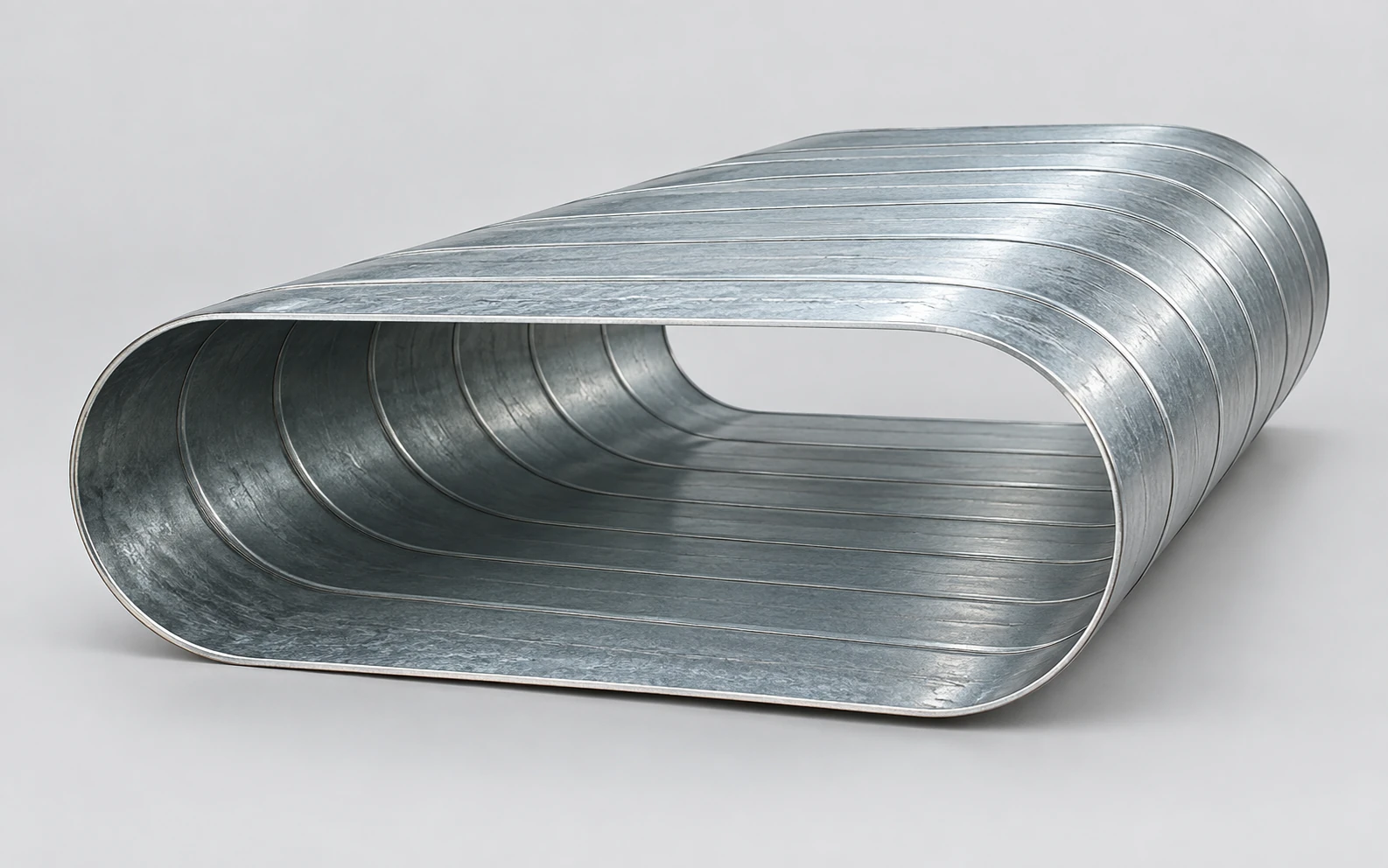
Prepared round duct is reshaped into a wider, shallower section for installations with restricted height. Both finished axes and the section length guide the ovalizing setup.
03
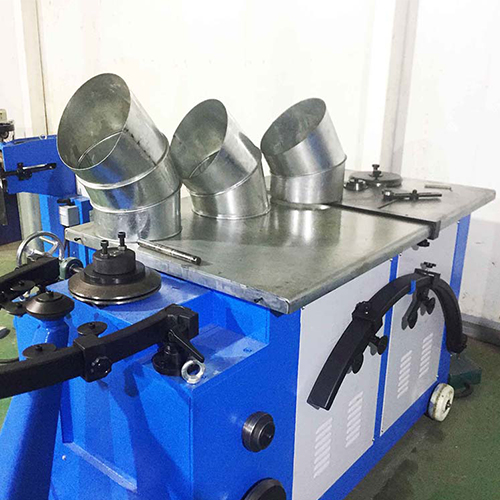
Cut and rolled duct segments are flanged and joined into an elbow. The joint profile and section sizes guide the seaming tools and the upstream blank preparation.
04
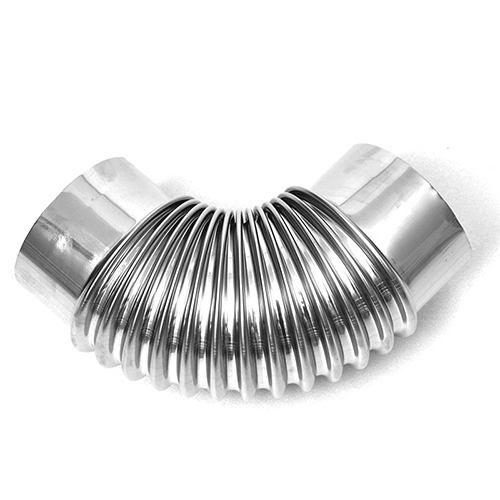
A separate hydraulic forming route makes corrugated bends from prepared tube. Select the tools around the incoming tube and the specified bend geometry.
05
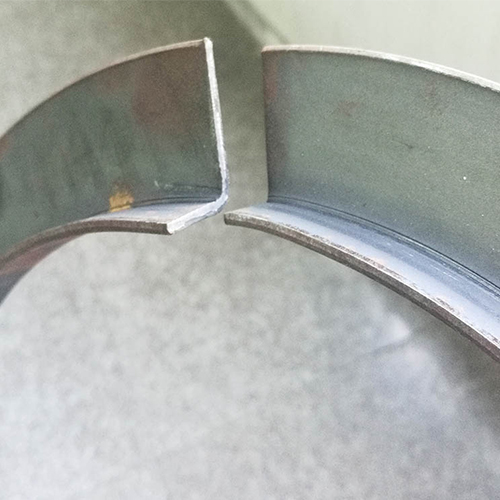
Angle-section rings provide connecting flanges for round duct. Compare flange forming and profile rolling equipment, and include any required hole-making and ring-end joining operations in the workshop plan.
SELECTION GUIDE
Round diameter alone is not enough to select equipment for a duct workshop. Material grade and thickness influence the forming head and cutting system; oval dimensions and elbow construction lead to different machines. The end connection determines whether flange rings, beads, rolled edges or gasket fitting are needed.
01
Separate straight round duct, flat-oval sections, segmented elbows and corrugated bends. Set the section dimensions and joint design first: each construction requires its own forming or assembly route.
02
Review metal grade and thickness with the selected tubeformer. Compare spring-steel and fixed mold arrangements, the required diameter tools, and saw or shear cut-off. For fittings, add the roller profile, prepared blank or incoming tube specification.
03
Set target lengths or pieces per shift at the actual size mix. Include coil and tooling changes, straight-duct handling, fitting preparation and assembly. This identifies whether the next investment should be a main former or a supporting station.
Plan space for coil loading, straight duct run-out and moving large fittings between stations. Compare finished duct and fitting output across the whole workflow, including size changes and assembly.
YOUR FINISHED PART
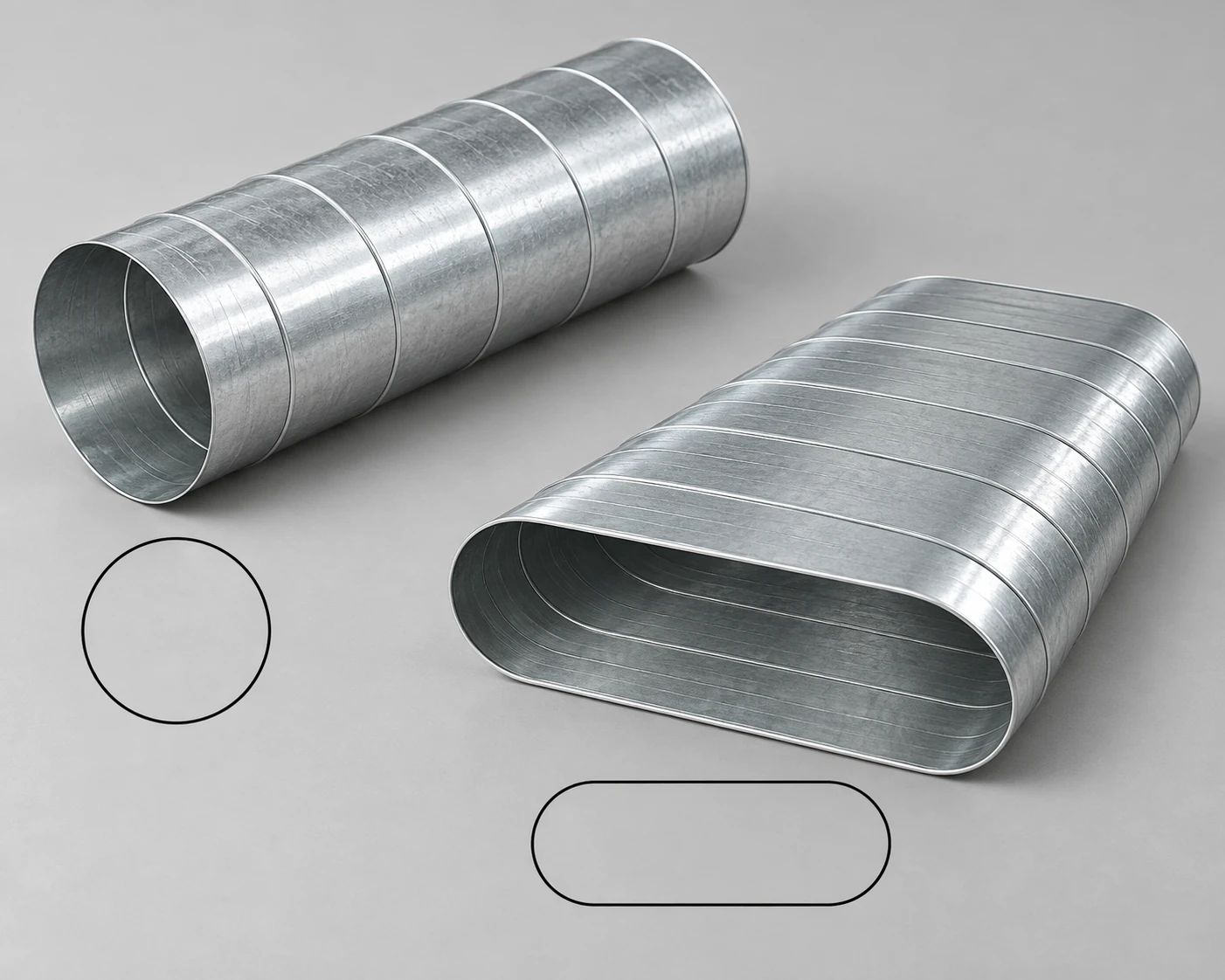
Include the material, dimensions and acceptance requirements.
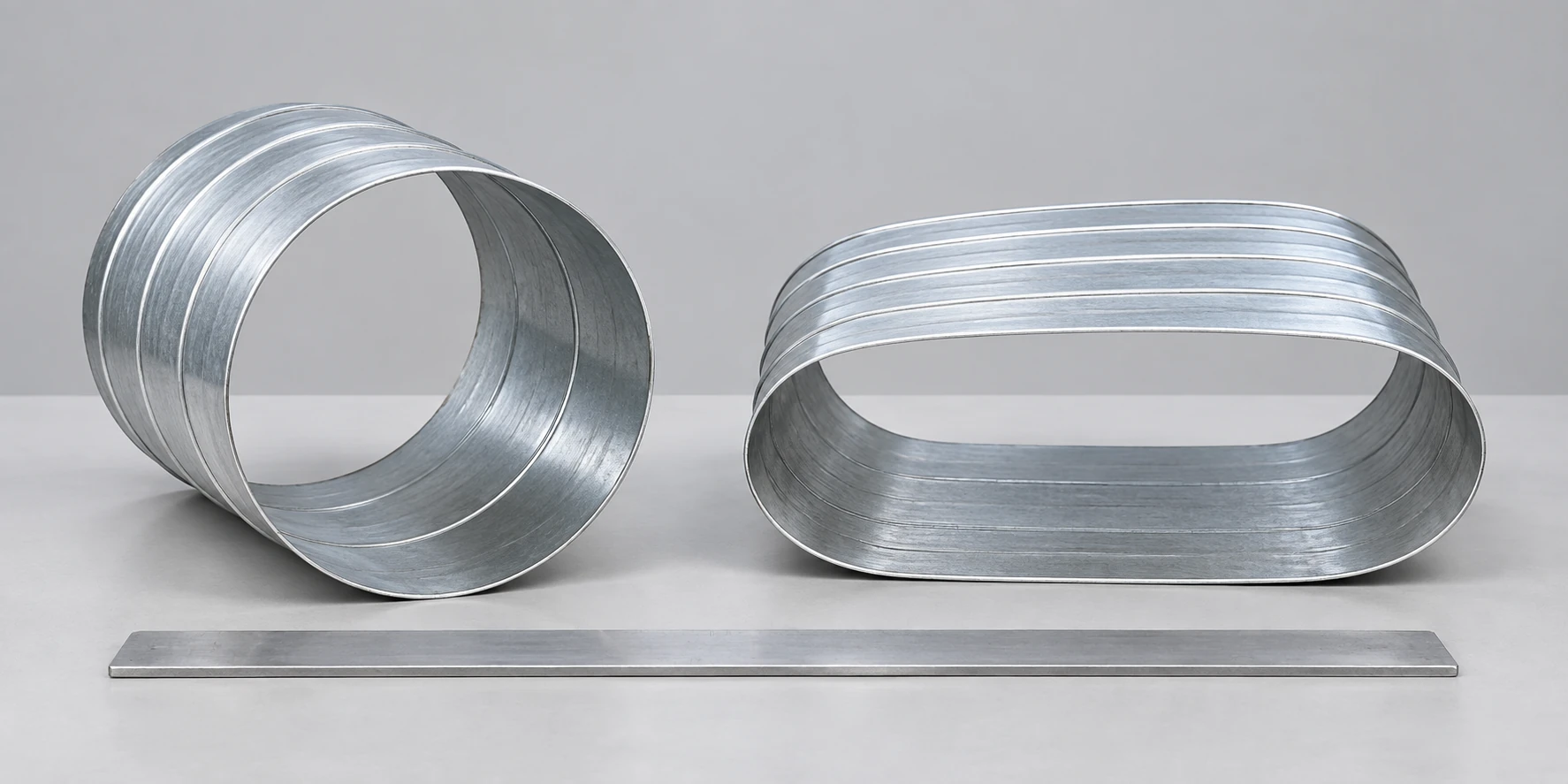
From technical review and testing to delivery and after-sales.
BOBO can help review the equipment sequence, forming tools and shop layout. Build the production trial around representative duct sizes and materials, checking cut lengths, formed sections and mating connections. Agree the acceptance checks, operator training, spare tooling and after-sales support with the supply scope.
Duct drawings, materials and joint review
Forming heads, rollers and cut-off selection
Sample forming and connection fit checks
Layout, operator training and spare tooling
BEFORE YOU CHOOSE
These answers explain the distinctions between tube forming, reshaping and fitting production.
The BTF-I uses a spring-steel forming die and synchronized saw cutting. The BTF-II uses a fixed forming mold with roll-shear cutting, while the BTF-III has cast-aluminum forming molds and a slitting cutter. Compare tooling for your diameter mix and the material-specific working range. A fixed mold does not mean that every diameter uses the same tool.
The BOT-I reshapes prepared round duct into a flat-oval section. Start with the required finished width, height and length, then match the incoming round duct and forming tools. Include the round-duct production stage separately when planning a workshop from raw coil.
For segmented elbows, the work starts with cut and rolled sections, followed by flanging and lock-seam assembly. A corrugated elbow former shapes an existing tube using dedicated tooling. The elbow welding equipment joins prepared elbow pieces. These routes produce different constructions, so choose from the specified elbow design and joint detail.
No. Feed speed measures the strip entering the machine. Finished duct length also depends on diameter and spiral geometry, while cut-off cycles, coil changes and handling affect output per shift. Compare proposals using finished lengths or pieces for the same duct specification and production schedule.
Angle-section flange equipment forms circular rings; beading and flanging machines prepare shaped duct ends. The fitting shaper handles rolled edges and gasket fitting, while the canvas connector line produces metal-edged flexible connection strip. Select these by the joint drawing. An angle-ring punching unit is an additional option, and a gasket fitting machine alone does not establish a leakage classification.
START WITH A DRAWING OR SAMPLE
Include round diameter or oval width and height, straight lengths, elbow construction and angle, end-connection details, material grade and thickness, and the required quantities per shift. For coil-fed production, add strip width and coil dimensions. A fitting drawing or sample helps define the tooling and assembly sequence.
Tell us which operations you already have, the stations you want to add, and the available floor space and power supply.
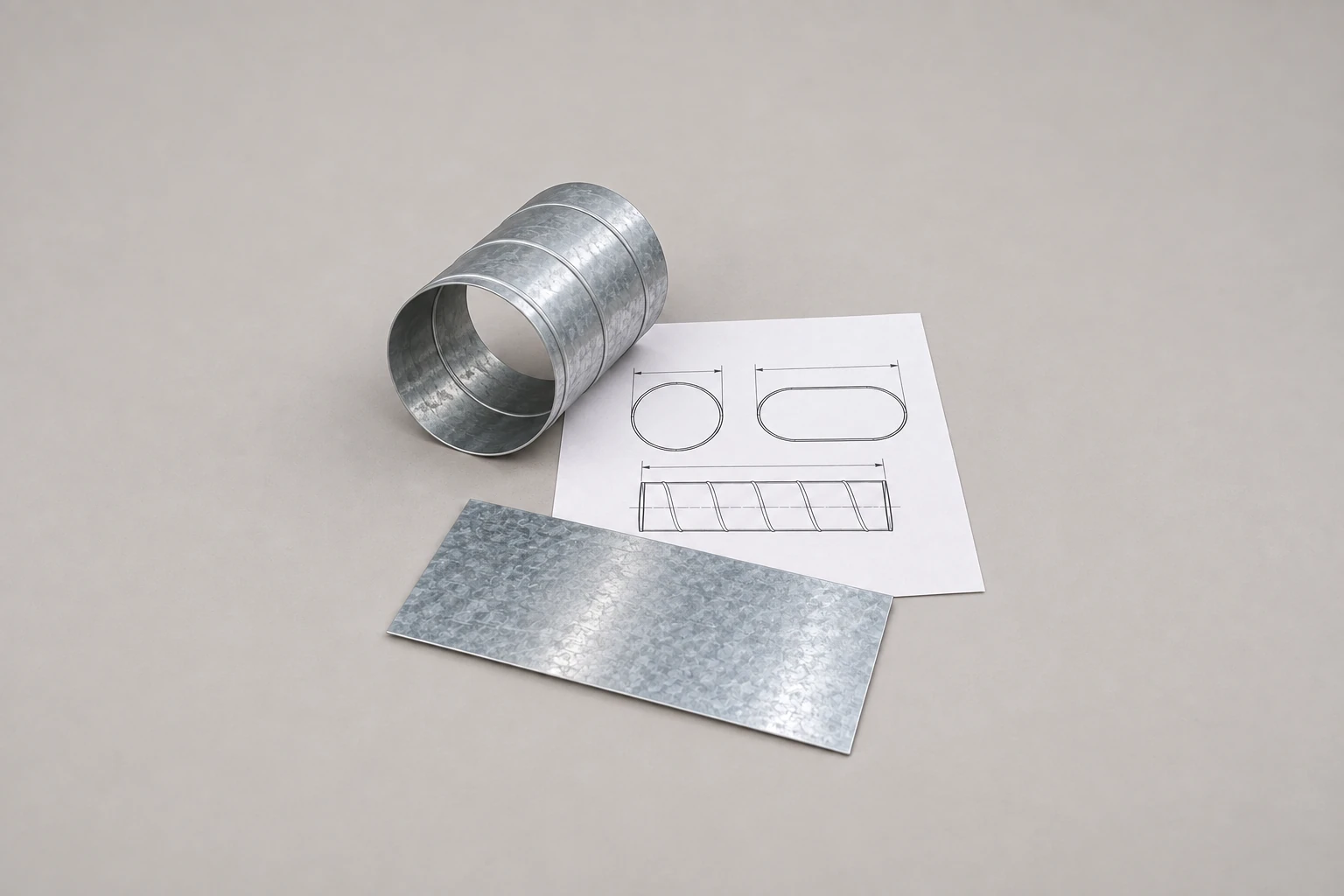
Spiral Duct Machine / BOBO MACHINE