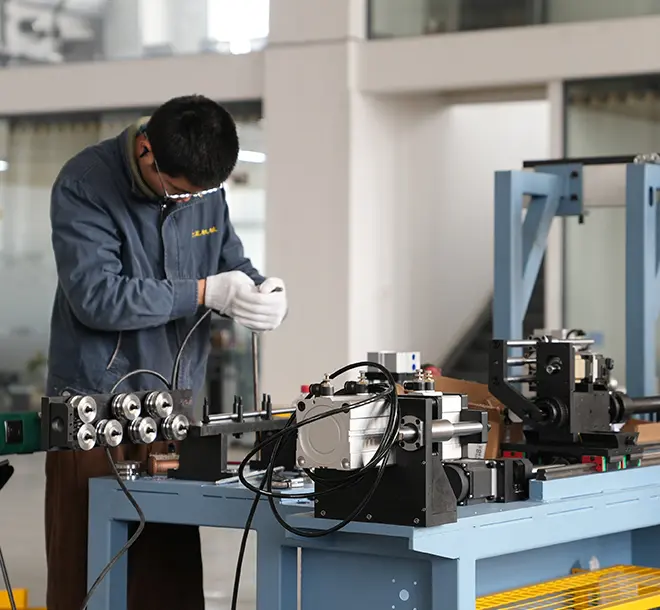
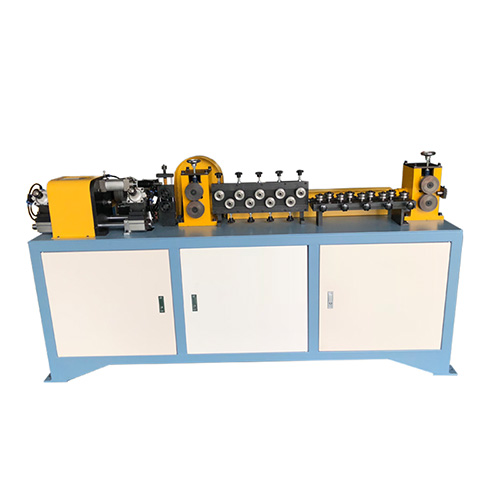
Steel Bundy Tube Straightening and Chipless Cutting Machine
Precision tube straightening and burr-free chipless cutting in one compact machine.
View machineTUBE PREPARATION & CUT-TO-LENGTH PROCESSING
Prepare tube lengths for forming and assembly.
BOBO supplies coil-fed tube straightening and chipless cutting machines, copper and aluminum tube saws, and dedicated capillary processing equipment. Selected machines add insulation insertion or capillary end forming and coiling. Standalone straighteners and specialist laser equipment serve other preparation tasks within the range.
Coil straightening and cut-to-length processing
Dedicated copper, aluminum and steel/Bundy models
Cutting-only and combined processing routes
Tube Cutting Machine
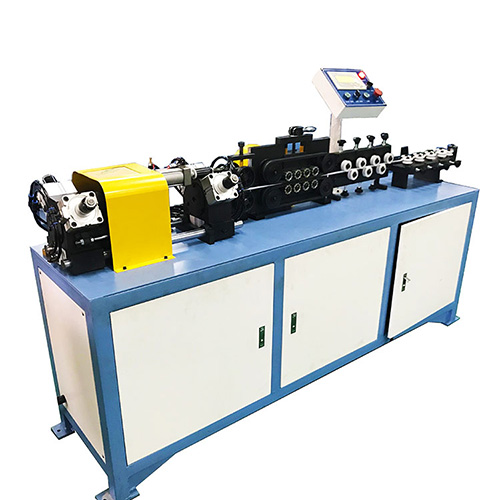
Copper / aluminum / Bundy tube straightening and chipless cutting machine
DEFINE THE CUT END
Match the cutting method to the tube stock and the next operation. Length, bore opening and end shape belong in the sample check.
FIND YOUR MACHINE
For coil stock, start with the tube material, straightening system and cutting method. Compare saw cutting separately from rotary chipless cutting, then look at dedicated capillary and insulation-inserting models if the part needs further processing. The steel wire cutter supplies condenser wire, while the standalone pipe straighteners correct tube or bar stock without cutting it. The evaporator laser machine addresses a separate hole-cutting task.
Precision tube straightening and burr-free chipless cutting in one compact machine.
View machine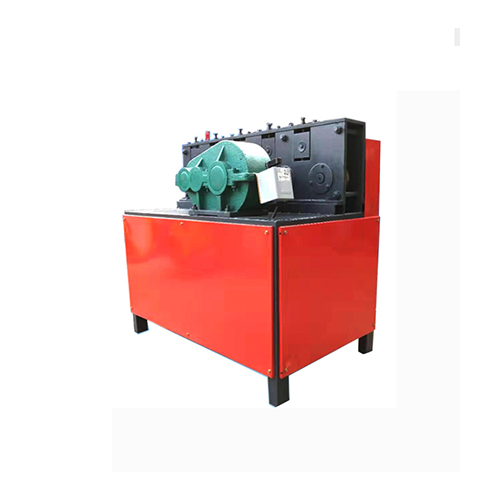
Straighten steel pipes to sub-millimeter accuracy with zero surface damage.
View machine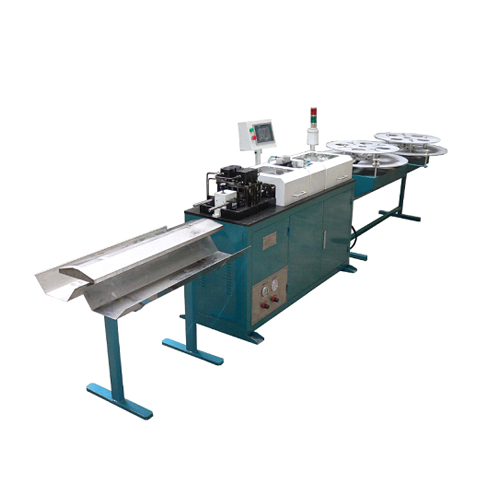
Dual-line capillary tube cutting: double the output from a single machine footprint.
View machineWorking ranges are model-specific. Confirm material, product dimensions and the required operation against the selected machine.
PARTS & APPLICATIONS
A cut tube may move next to bending, end forming, joining or insulation assembly. The cut length and end condition should suit that next operation; a nominal cutting tolerance alone does not describe the finished blank.
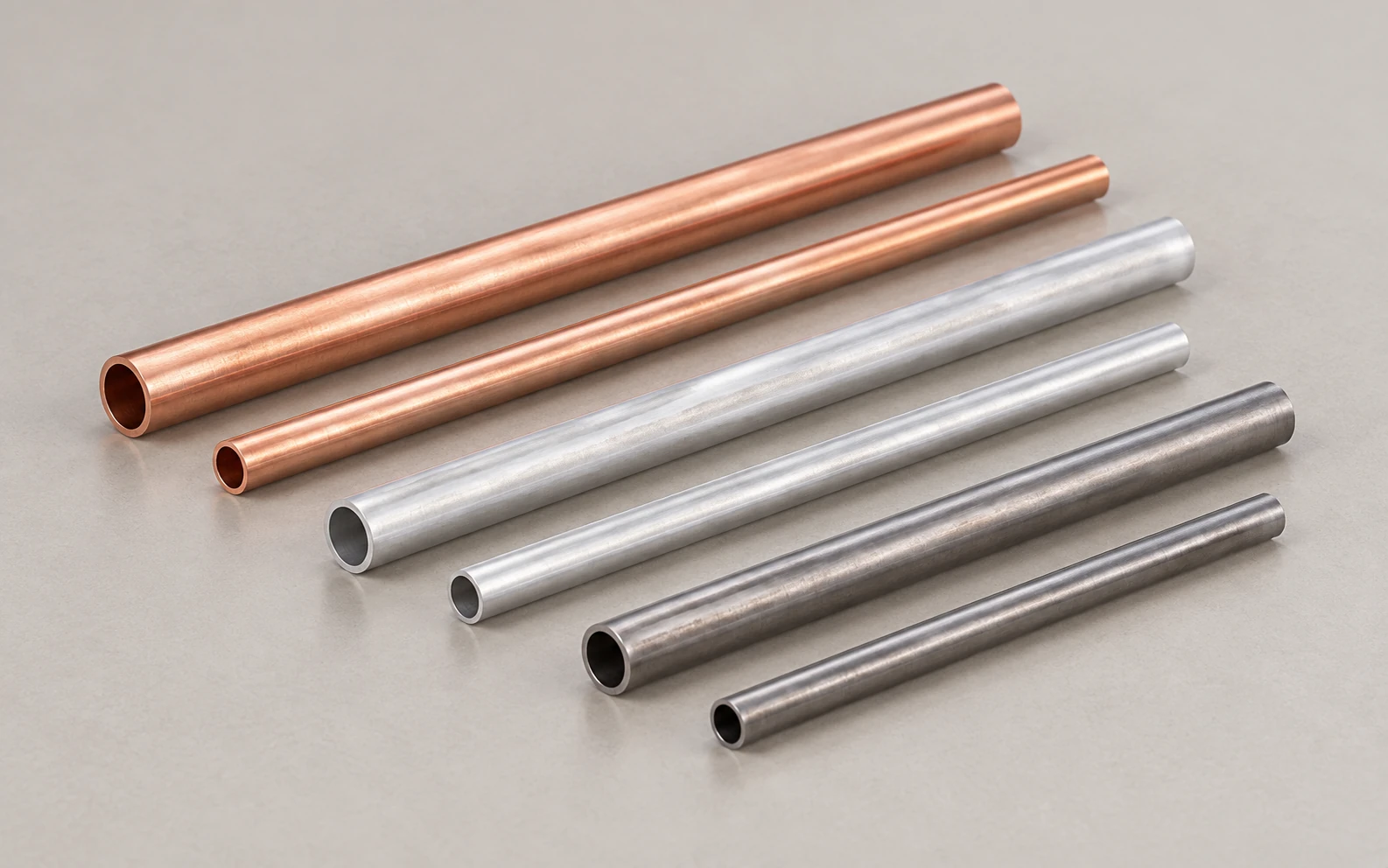
01
Cut copper, aluminum or steel/Bundy tube to the required length before bending or joining. Material-specific machines and clamping arrangements prepare the blank for the downstream tube process.
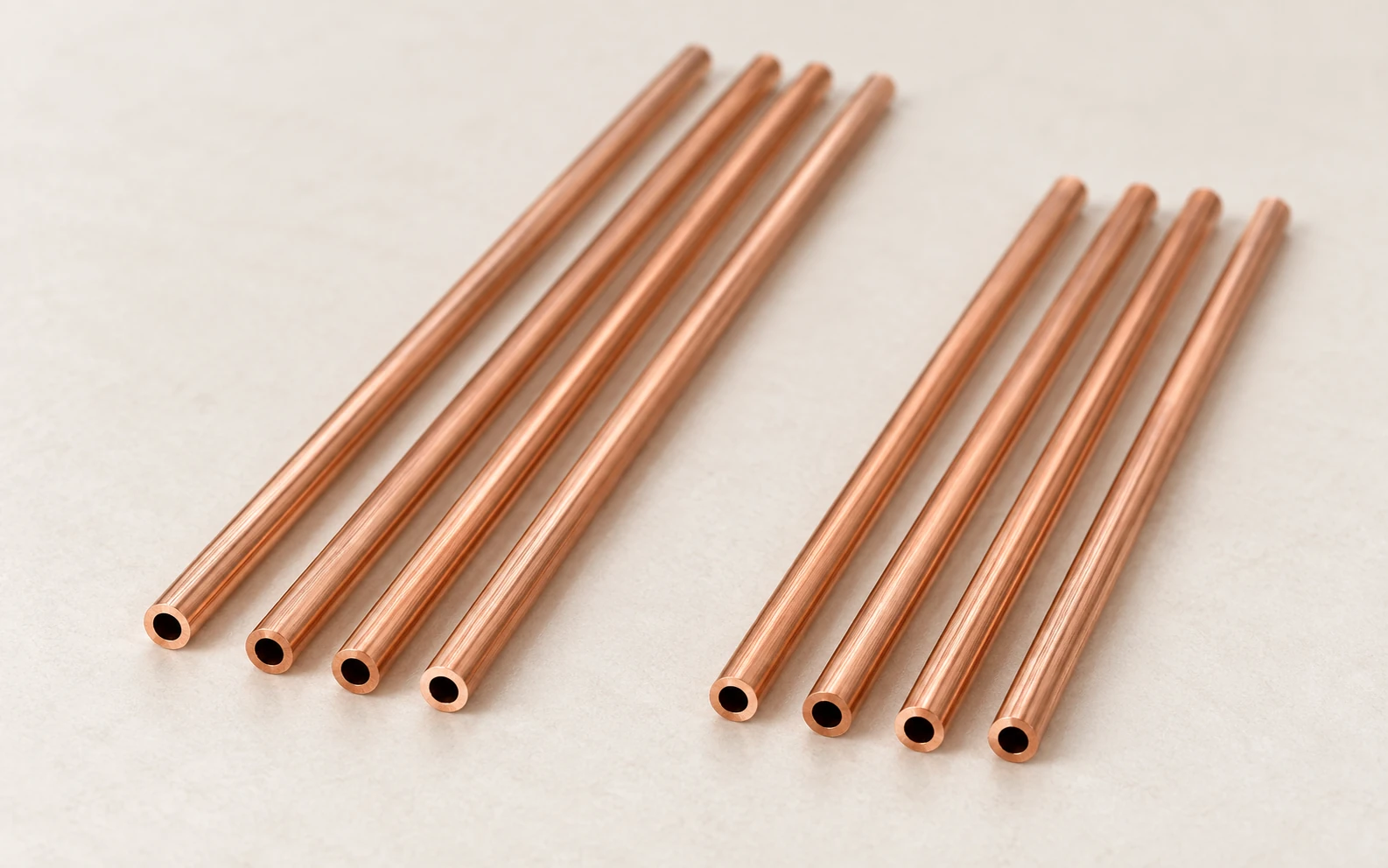
02
Dedicated equipment straightens and cuts small copper capillary tube from coil. The integrated model adds end forming and coiling for parts that need those features in the same processing sequence.
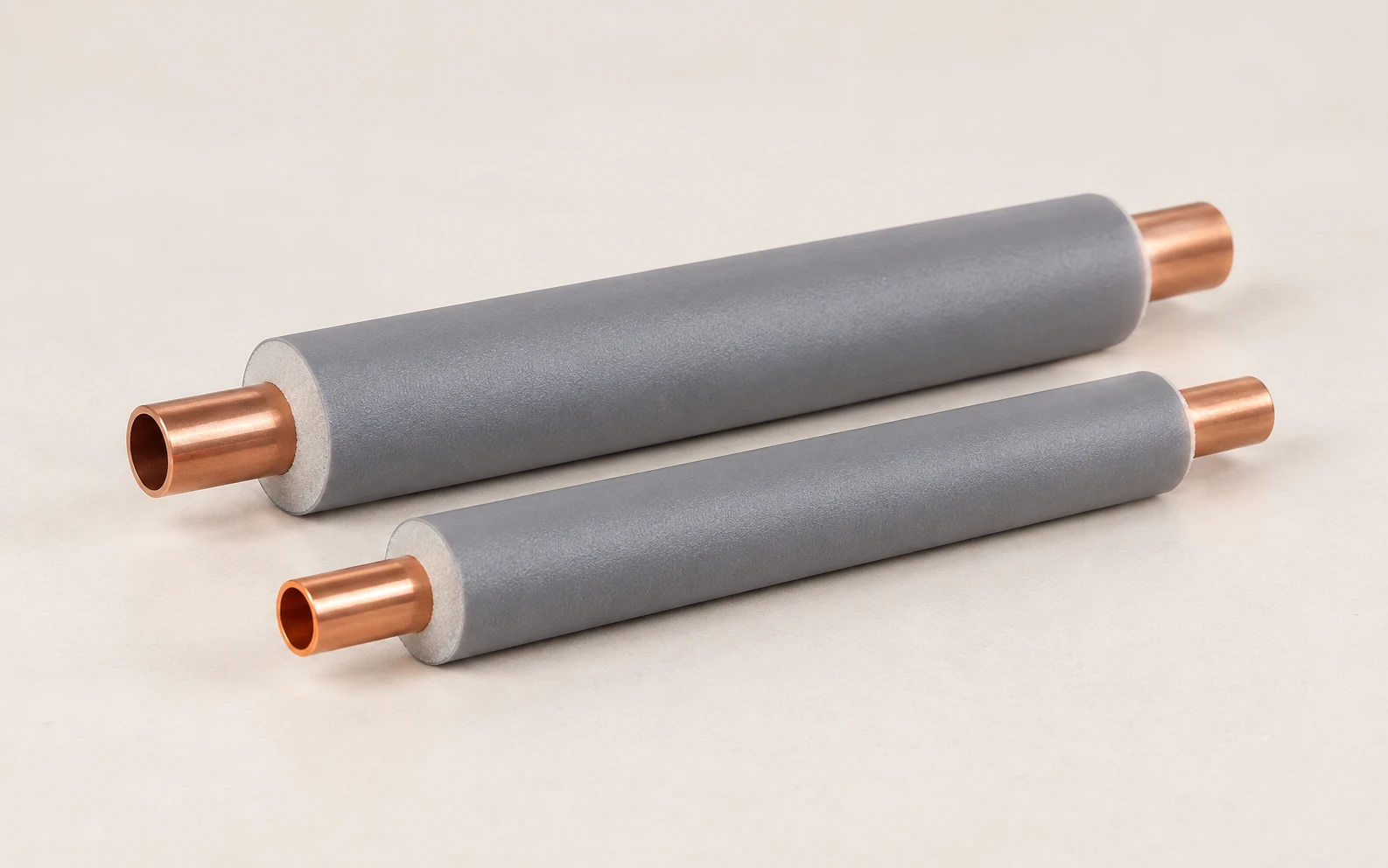
03
A dedicated insertion machine combines tube preparation with fitting the insulation sleeve. Coiling, fitting nuts and forming connection ends must be planned as their own operations in the line arrangement.
SELECTION GUIDE
Material grade, wall thickness and incoming stock form determine how the tube is fed, straightened and clamped. The required end condition then separates the cutting options. Review the bore, roundness and end face as well as the length, especially where a small tube will be joined or formed next.
01
Identify the material and condition, diameter and wall thickness, then distinguish coils from straight lengths. Coil-fed processing needs straightening and controlled feeding; a standalone pipe straightener serves a different task from an integrated tube cutter.
02
Compare rotary chipless and saw-cut samples for length, bore opening, roundness and edge condition. For evaporator hole cutting, evaluate the laser process separately. The accepted sample should reflect the actual material and the later forming or joining operation.
03
Balance cut length, feeding, clamping and collection when assessing output. Independent dual lines can serve different settings; dedicated capillary or insulation machines add specific operations. Separate machine speed from the output of the complete production sequence.
A cut-to-length machine prepares the blank. Include bending, end forming, coiling or insulation work in its scope only when the selected machine provides those stations; otherwise plan the transfer to separate equipment.
YOUR FINISHED PART
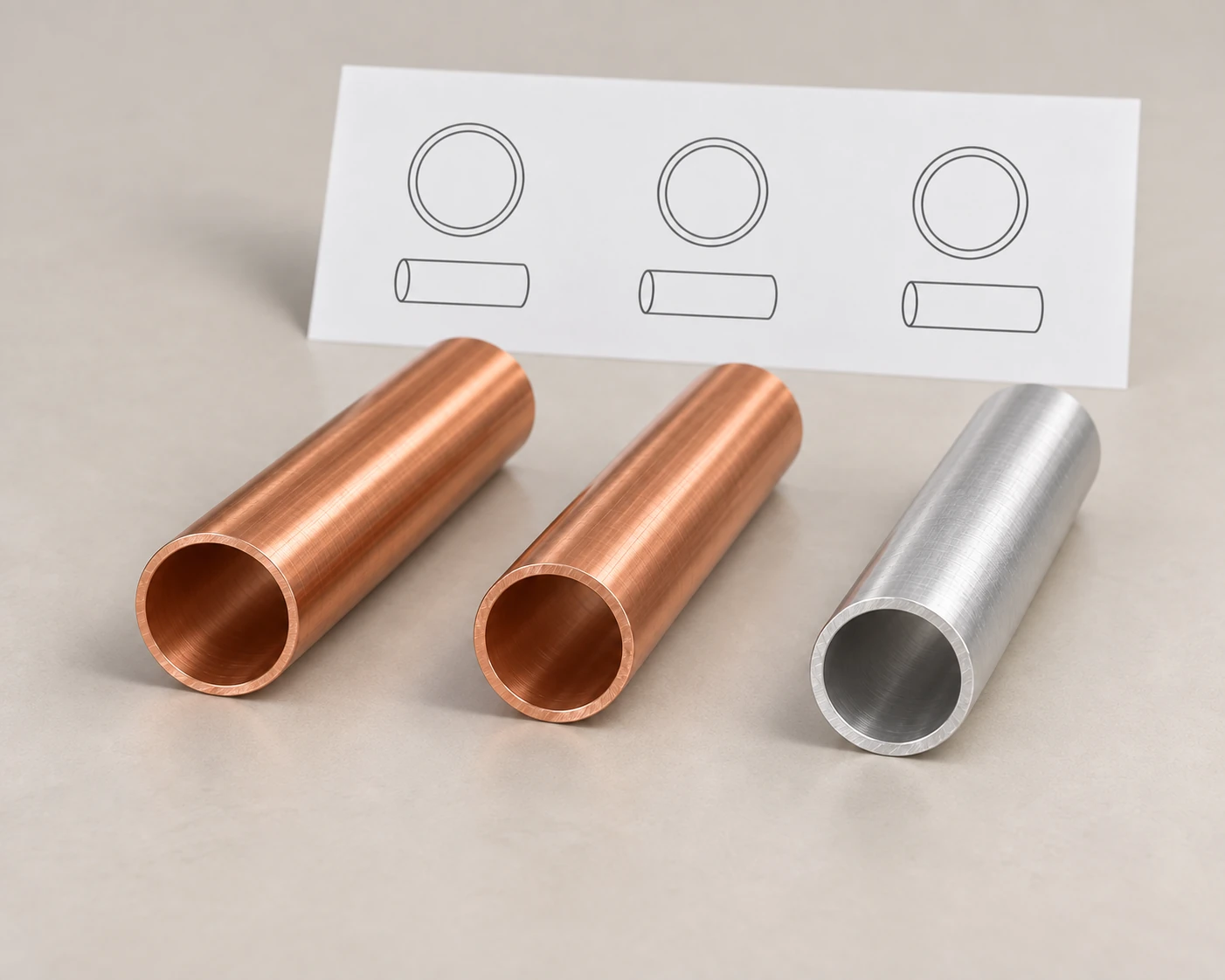
Include the material, dimensions and acceptance requirements.
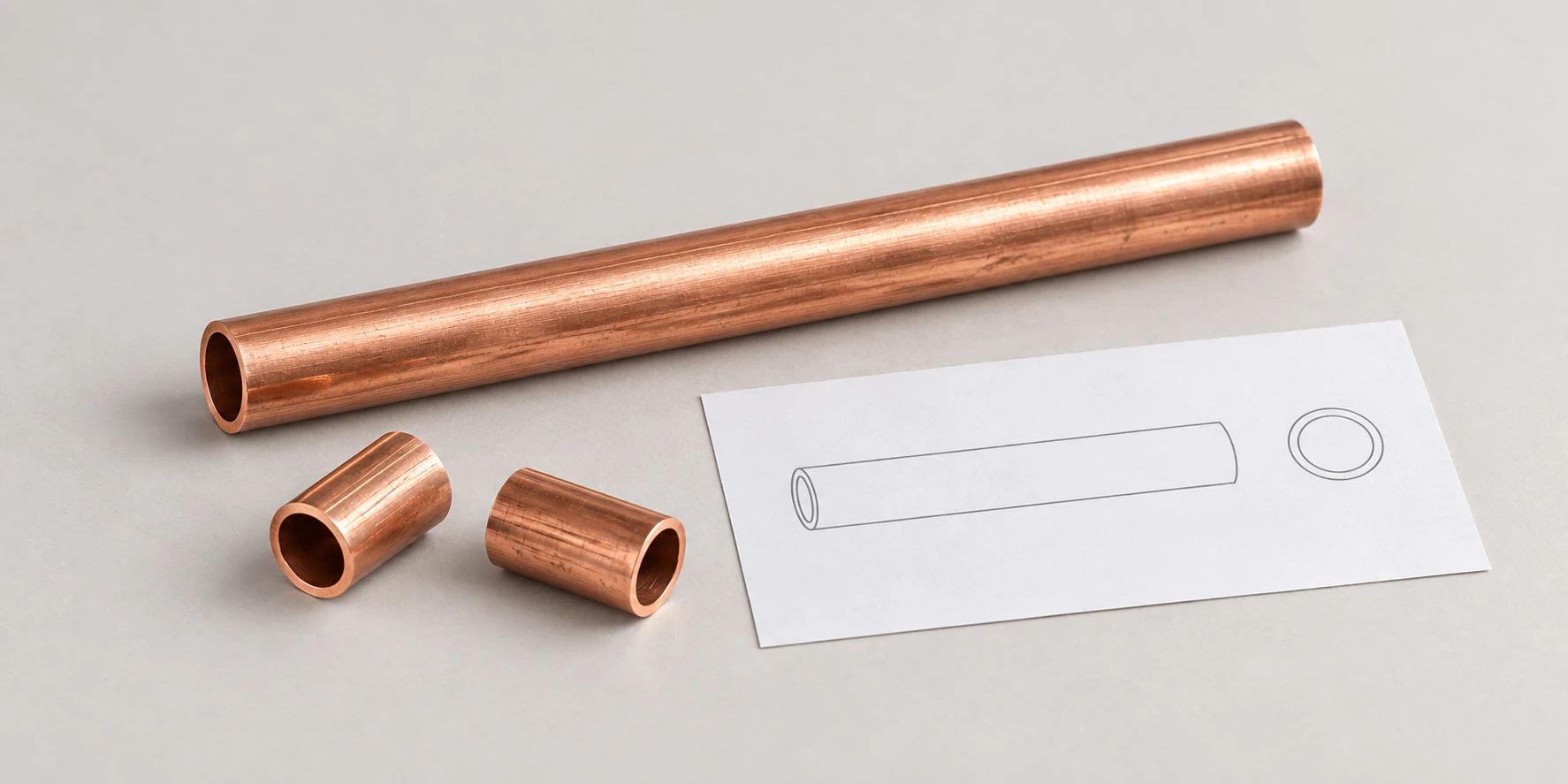
From technical review and testing to delivery and after-sales.
BOBO can review the tube drawing and stock, propose the cutting and clamping arrangement, and plan sample checks before delivery. For combined processing, define the station sequence and the handover to the next machine. Include feeding equipment, collection, tooling changes and training in the agreed project scope.
Tube stock, clamping and cutting-method review
Sample checks for length, end shape and bore condition
Coil feeding, collection and station-sequence planning
Setup training, maintenance and spare-part arrangements
BEFORE YOU CHOOSE
Compare the actual cutting mechanism, feeding arrangement and included stations before using speed or accuracy figures to shortlist a model.
The listed rotary chipless machines cut around the tube and separate it with a controlled pulling action. A saw removes material through the blade cut. The mechanisms leave different end conditions, so the choice should reflect the tube material, wall thickness and next operation. On the dual-line machine, the cutting arrangement is a configuration choice; its product name alone does not establish which cutter is supplied.
No. Chipless describes the cutting route, not an unconditional finished-end specification. A sample check should cover bore opening, end deformation, roundness and the edge condition required for the next operation. Any deburring, sizing or other end finishing should follow the accepted part requirement rather than an assumption based on the word chipless.
Separate servo-driven lines allow different cut lengths or feed settings within the selected machine’s range. This can help when two tube specifications are needed for the same assembly or when producing different orders. Compare finished pieces over the complete cycle, including feeding and collection; two stations do not by themselves guarantee twice the daily output.
There are dedicated combinations. The integrated capillary machine includes straightening, cutting, drawing-specific end forming and coiling. The insulation-inserting machine combines tube preparation with sleeve insertion, while its described coiling equipment is separate. A basic cut-to-length machine does not include these operations, and nuts or flared ends must be listed as distinct requirements in the proposed process.
No. The construction-pipe straightener repairs bent steel pipe, and the nine-roller machine straightens metal pipe and bar. They differ from the coil-fed machines that combine straightening and cutting. The steel wire cut-to-length machine is also a separate application: it prepares wire for wire-on-tube condensers, not hollow tube blanks.
START WITH A DRAWING OR SAMPLE
Send the material grade and condition, outside diameter, wall thickness, length range and tolerances. State whether the material arrives in coils or straight lengths, and include batch sizes, target output and requirements for the cut face, bore and surface.
For combined processing, add the end-form drawing, capillary coil dimensions or insulation sleeve specification, and identify the machines already available for the next operation.
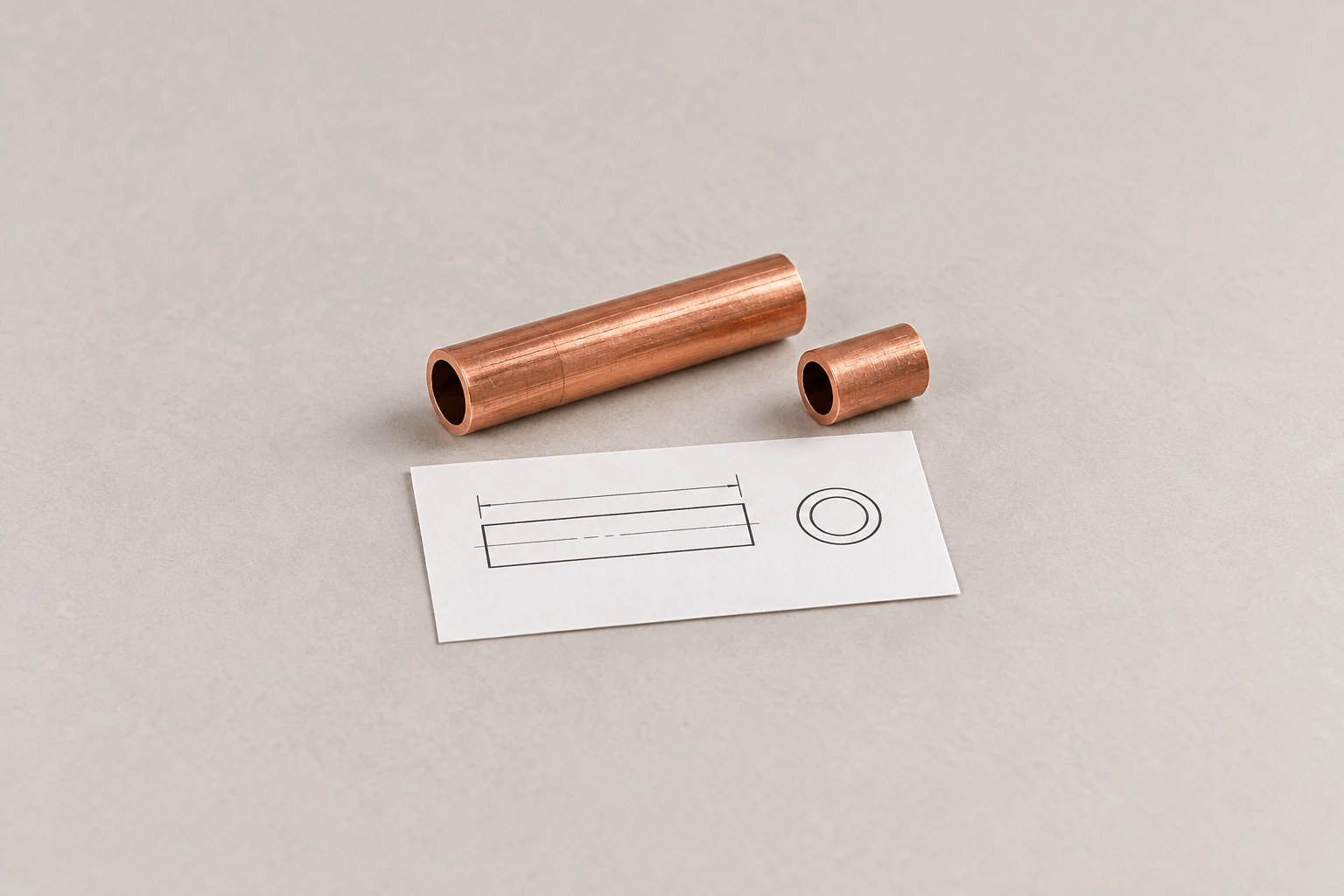
Tube Cutting Machine / BOBO MACHINE