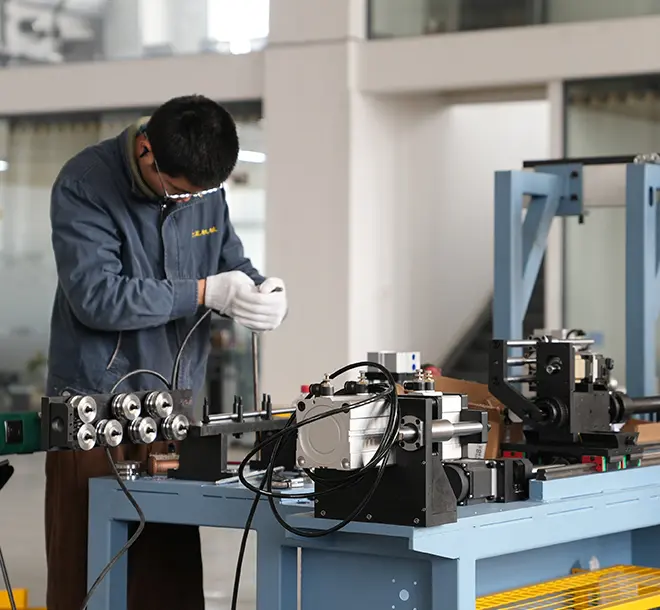
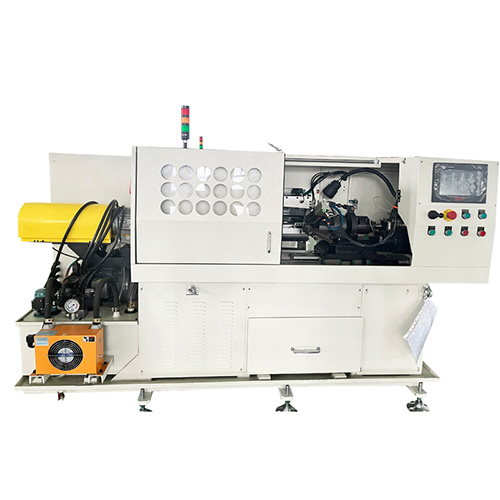
Copper tube spinning machine T-40
Dual-end copper tube spinning with ±0.02mm precision in 45-second cycles.
End trimming and facing, Tube reducing
View machineTUBE FORMING & FINISHING
Reduce, taper and close tube ends.
Compare machines for tube reducing, taper forming, end closing and end finishing. This category also includes tube-wall punching, capillary tube drawing and fitting-processing equipment. Select by the operation your part needs.
Rotary swaging and taper forming
Spinning and end closing
End finishing and fitting preparation
Tube End Forming Machine
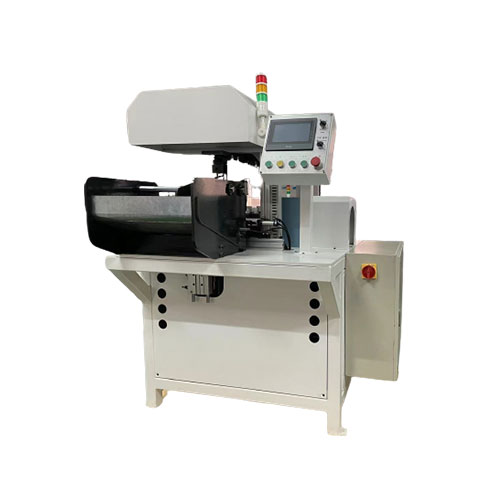
Automatic tube reducing machine
DEFINE THE FINISHED TUBE END
Material. Tube dimensions. Finished profile.
FIND YOUR MACHINE
Compare the listed models by their forming or finishing task, then review each machine’s tooling and working range. Available process filters can narrow the list; browse all models for the full category range.
Dual-end copper tube spinning with ±0.02mm precision in 45-second cycles.
End trimming and facing, Tube reducing
View machine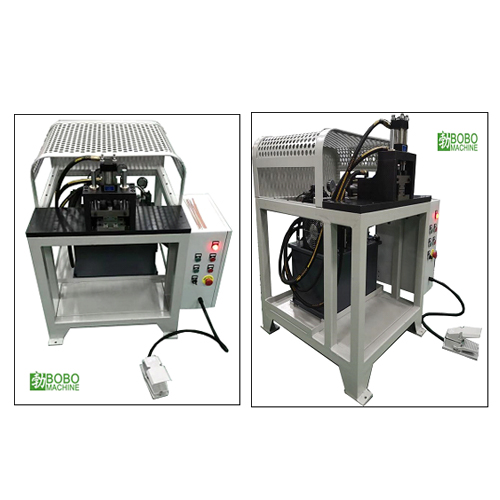
Hydraulic tube bulging and deforming for capillary tubes from 1.0–5.0 mm diameter.
View machine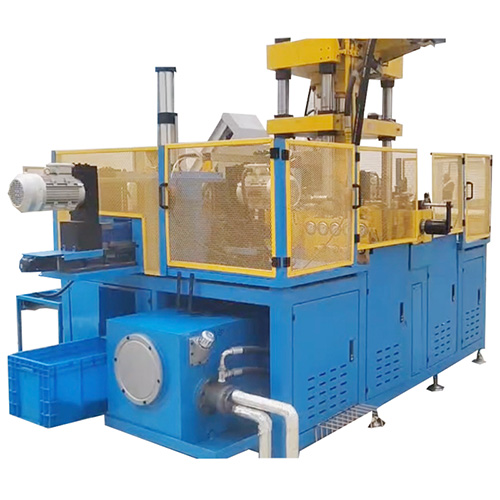
Automated copper tee finishing: end cutting, flaring, and beveling in one 12-second cycle.
End trimming and facing, Chamfering and beveling, Tube end expansion
View machine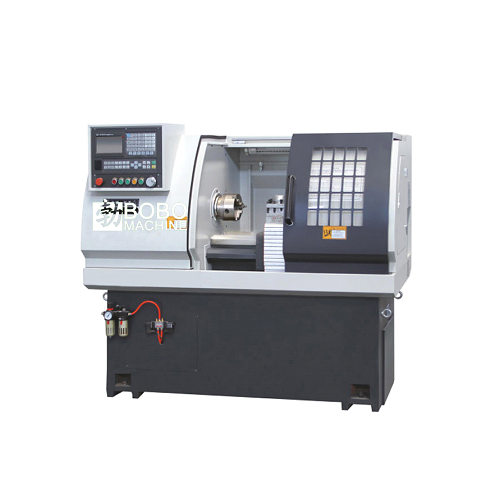
CNC metal nipple making machine for high-precision, high-volume tube component production.
Thread cutting, Turning
View machine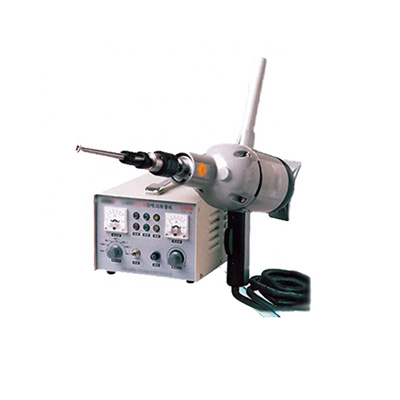
Portable electric tube expander with digital torque control for precise tube-to-tubesheet joints.
Tube-to-tubesheet expansion
View machine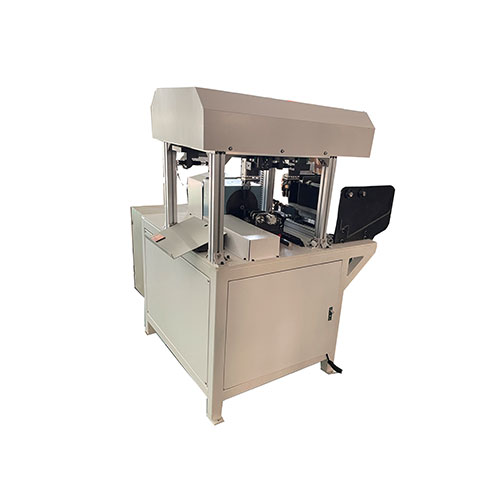
Pneumatic tube end expanding for copper, aluminum, and bundy tubes up to 20mm.
View machine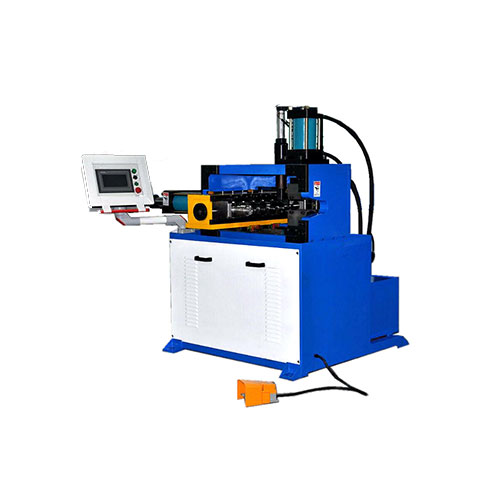
Four-die rotary swaging for precise, low-noise tube end shrinking.
Tube reducing
View machine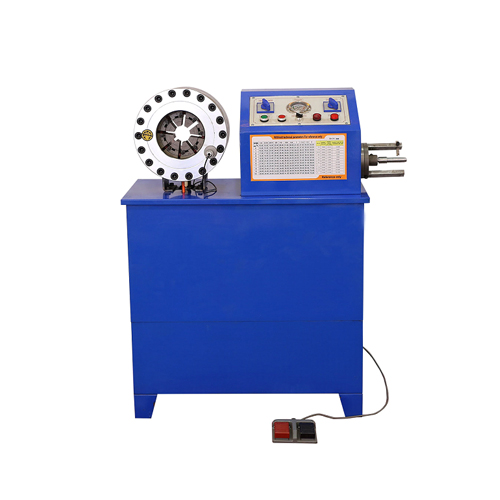
640-ton hydraulic crimping with 0.01 mm accuracy for hose assemblies up to 51 mm.
Hose fitting crimping
View machine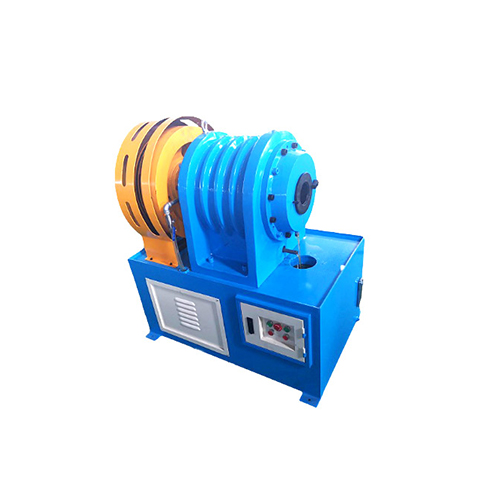
Fast, scar-free tube shrinking up to 60 mm in 6–15 seconds per cycle.
Tube taper forming
View machineWorking ranges are model-specific. Confirm material, product dimensions and the required operation against the selected machine.
PARTS & APPLICATIONS
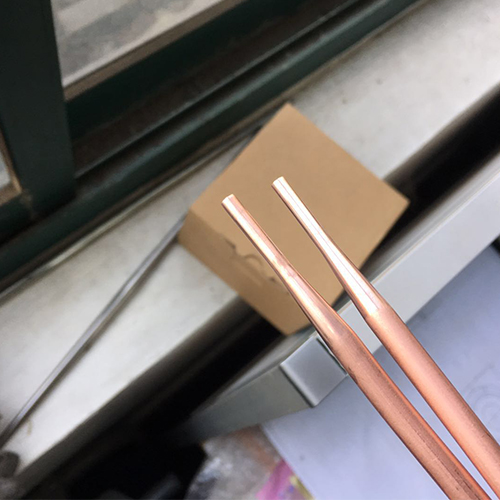
These samples show reduced copper ends, spin-closed ends and tapered reductions. Use your finished profile and the next assembly step to define the required process.
01
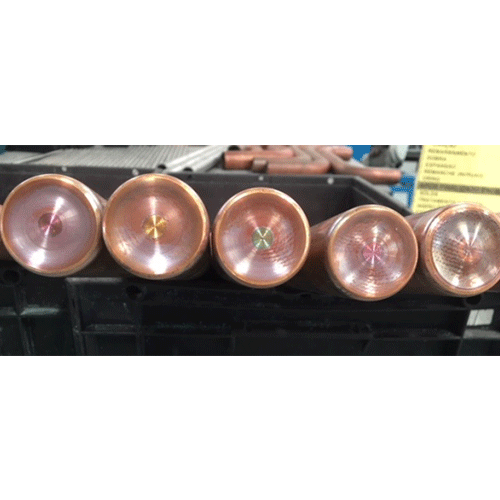
Copper tube samples from the rotary-swaging machine. The required end diameter, transition length and mating part guide the tooling review.
02
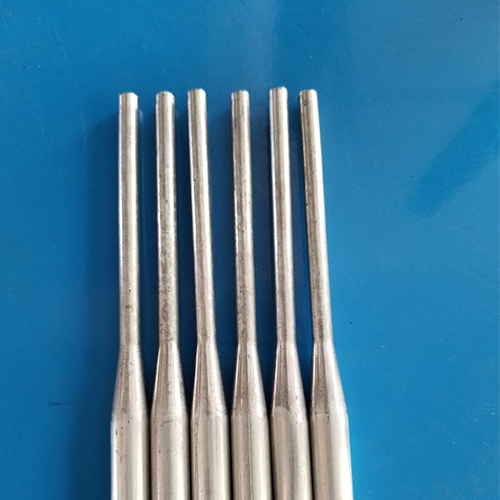
Closed copper ends shown with the T-80 machine. Specify the required end profile and inspection criteria; leak testing, where required, must be agreed separately.
03
Samples from the tube shrinking machine show reduced sections with tapered transitions. Review the reduction length, transition shape and surface requirements against your part drawing.
SELECTION GUIDE
The finished profile, tube condition and production workflow determine which forming route and tooling should be reviewed. Work through these three points before comparing machine configurations.
01
Show the starting tube and finished end, with diameters, forming length, wall thickness and tolerances. Include the mating part where the end will form a connection.
02
Specify the material grade, hardness or temper and any coating. Review the part profile and available clamping length together when selecting dies or spinning tools.
03
List the part sizes, batch quantities and output target. Compare loading and changeover arrangements supported by the selected model, including the work required before and after forming.
Show where this operation sits in your current workflow, including any cutting, cleaning or joining steps that the equipment needs to work with.
YOUR FINISHED PART
Include the material, dimensions and acceptance requirements.
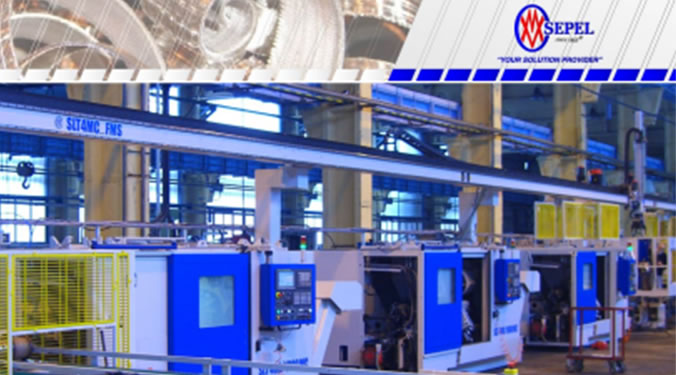
BOBO's CSEPEL project record describes trials on two taper profiles after the customer prioritized single-pass processing over a two-step route. The example shows how sample requirements and production priorities shape the process choice.
From technical review and testing to delivery and after-sales.
Use the part drawing and sample requirements to agree the proposed machine and tooling. The quotation should define sample trials, acceptance checks, delivery, commissioning and support responsibilities for your project.
Part and process review
Machine and tooling scope
Sample trials and acceptance checks
Delivery, commissioning and support scope
BEFORE YOU CHOOSE
These distinctions help you compare the listed machines and prepare a part-specific enquiry.
Reducing makes a tube end smaller; expanding enlarges an opening; end closing forms a closed end. The listed range uses different routes, including rotary swaging, spinning and tee-fitting expansion. Select the finished shape first, then check the mechanism and tooling of the relevant model.
No. The listed portable expander rolls the tube into contact with a tubesheet hole to form a joint. Enlarging a free tube end serves a different purpose and requires a machine and tool suited to that end profile.
That depends on the model and part family. A change in diameter, profile or material may require different dies, clamps or settings. Submit the smallest and largest parts, their material condition and the required output so the size range and changeover needs can be reviewed together.
START WITH A DRAWING OR SAMPLE
Send a part drawing or sample photos showing the starting tube and finished end. Add the material grade and temper, outside diameter, wall thickness, forming length, tolerances and target output so BOBO can review the machine and tooling requirements.
For several part sizes, include the size range, batch quantities and current loading method.
Tube End Forming Machine / BOBO MACHINE