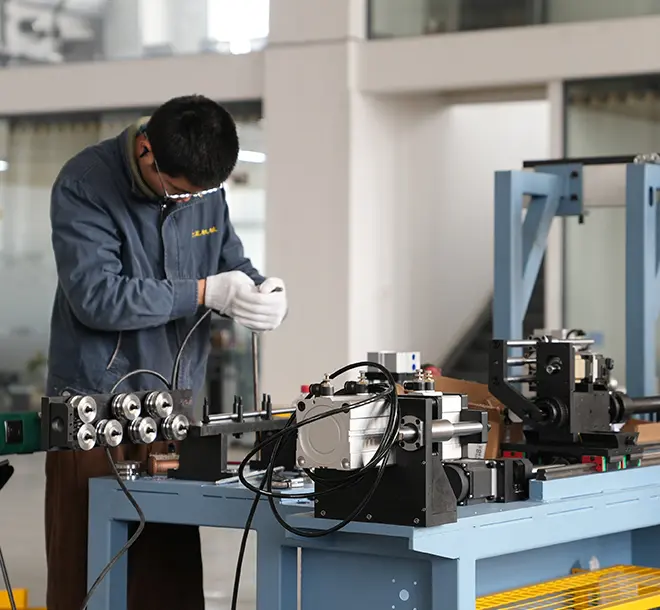
Stainless Steel Spiral Duct: Applications, Benefits, and Manufacturing Tips
Jump to section
Stainless steel spiral duct shows up in more projects every year. Food plants wash their ducts down each shift. Coastal buildings fight salt air. Kitchens move hot grease all day. Galvanized steel struggles in all three settings. Stainless steel handles them well, but it is harder to form. The forming window is narrow, and errors appear as open seams or rust spots. This guide explains where the duct is used, what it really delivers, and how to run it cleanly on a production line.
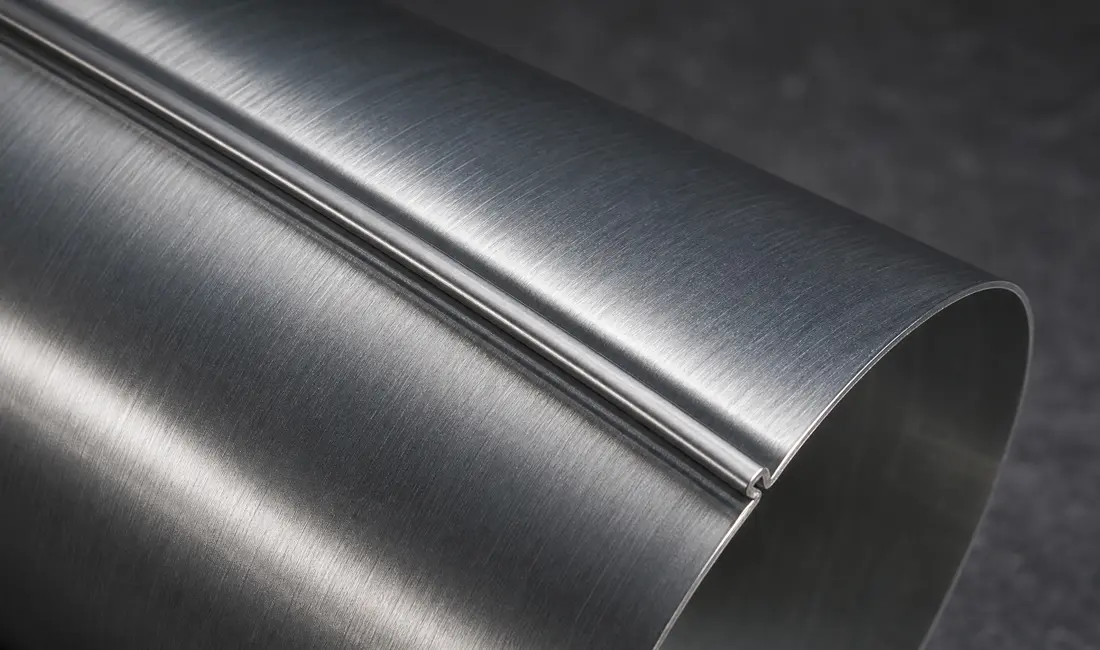
A stainless steel spiral duct is a round air duct that is formed by winding a slit stainless strip in a helix and closing the overlapping edges into a continuous lockseam. The seam also works as a stiffening rib along the wall. Grade, wall thickness, and seam type then decide what any given duct can handle.
Two grades cover most orders. Grade 304 holds about 18% chromium and 8% nickel, which suits food plants, kitchens, and general indoor work. Grade 316 adds 2% to 3% molybdenum. That element blocks chloride attack, so 316 wins near the coast and in chemical plants. Wall thickness usually runs from 0.5 mm to 1.5 mm, or about 26 to 16 gauge. Thin walls suit small low-pressure runs. Thickness rises with diameter and with pressure class, and dust or fume lines often sit at the top of the range. Surface finish is the third choice. A 2B mill finish is enough for hidden runs, while exposed duct calls for a brushed or polished surface.
The lockseam is more than a joint. It is also a spiral rib. Four layers of metal fold together at the seam, so the wall is roughly four times thicker along that line. The rib runs the full length of the duct. It resists dents and holds the tube round. Spiral duct therefore needs fewer stiffeners than a straight-seam pipe of the same gauge. Hangers can also sit further apart, which cuts both material and labor on long runs.
A lockseam covers most HVAC work. Four duties call for more. Material above roughly 1.5 mm is hard to lock cleanly. High negative pressure can pull a mechanical seam open. Abrasive dust wears the seam edge over time. Fume lines may need near-zero leakage by code. In those cases, a continuously welded spiral seam is the safer answer. Welded duct costs more to produce, so it belongs only where the duty demands it.
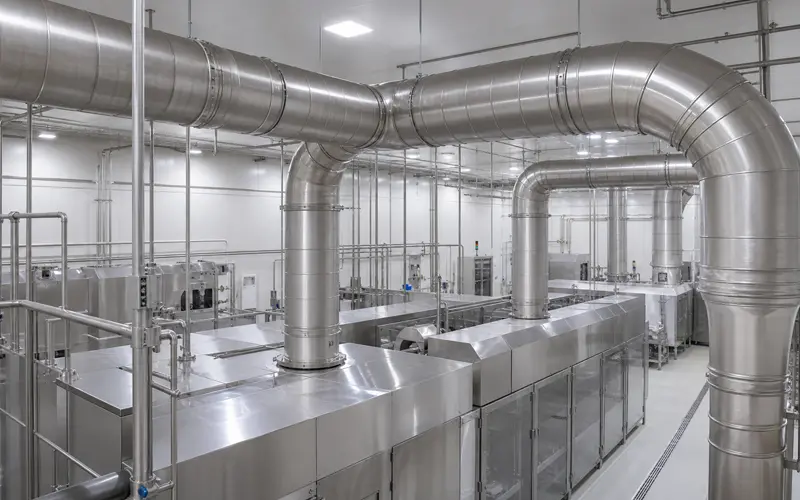
Stainless steel spiral duct is used where the air carries moisture, grease, salt, or corrosive fumes. It also suits ducts that must be washed down or left exposed. Food plants, kitchen exhaust, coastal sites, and dust collection are the main markets. Each of these settings attacks zinc coating in a different way.
Washdown chemicals and standing condensation are what rule out galvanized duct in food plants. Crews spray hot water, caustic foam, and sanitizer on a fixed schedule. Zinc coating breaks down under that routine, while stainless steel does not. The smooth interior also gives dust and bacteria fewer places to settle, which supports plant food safety programs. Cooking, drying, and chilling all push moisture into the air. Condensation then sits on the duct wall for hours at a time, and stainless steel takes that load without pitting.
Kitchen exhaust carries heat, steam, and grease at the same time. Grease is acidic, and it stays on the wall between cleanings. Round spiral duct helps here because it has no square corners to trap deposits, so a cleaning brush can pass through the whole run. Ovens, dryers, and welding fume lines face similar loads. Temperature swings add a second demand. A duct that heats at service time and cools overnight expands and contracts daily, and stainless steel keeps its strength through those cycles.
Salt spray reaches several miles inland and attacks zinc quickly. Grade 316 duct is the usual fix at ports, shipyards, and seafront buildings. Chemical plants add acid and alkali vapor to the picture. Retail and restaurant spaces bring a different driver, since they often leave the duct exposed instead of hiding it above a ceiling. A brushed finish then becomes part of the design. The same forming equipment serves industrial ventilation and dust collection workshops.
Specifiers choose stainless steel spiral duct for its self-repairing oxide layer, its easy cleaning, and its strength under pressure. The round spiral profile adds lower friction loss, tighter seams, and faster installation than a rectangular duct of equal capacity. Three factors explain the choice: the metal, the shape, and the limits of the cheaper option.
Stainless steel resists rust because of one thin film. The alloy holds at least 10.5% chromium. Chromium reacts with oxygen and builds an oxide layer only a few atoms thick. That layer blocks water and air from the metal below. It also repairs itself, rebuilding within seconds of a scratch while oxygen is present. Zinc works in a different way. It corrodes in place of the steel, so the coating slowly sacrifices itself. Once the zinc is gone, the steel underneath rusts.
A round duct moves air with less friction than a rectangular duct of equal capacity. It carries the same airflow across less wetted surface. Less friction means lower fan power and a smaller energy bill over the life of the system. The rolled lockseam tightens as it closes, so leakage stays low without extra sealant. Round duct also needs less ceiling depth. Sections arrive in long lengths and join with a coupling in minutes, so fewer joints mean fewer leak points and fewer labor hours.
Galvanized duct still wins in dry indoor air. Offices, malls, and schools rarely see grease, salt, or washdown. Galvanized steel also costs far less per ton and forms with ease. Stainless steel carries two real limits worth stating up front. Material cost is much higher. Insulation must also sit on the outside, because an internal liner would trap dirt and cancel the hygiene benefit that justified the upgrade.
Stainless steel spiral duct is manufactured by slitting, leveling, helical forming, seam closing, cutting, and inspection. Most defects trace back to strip width error, springback, or contact with carbon steel. Each stage carries its own failure mode, and each has a practical fix on the shop floor.
Strip width decides seam quality. The forming head folds a fixed amount of metal into the lock. If the strip runs wide or narrow, the lock cannot close evenly, and the result is an open or leaking seam. Most batch scrap starts here rather than at the forming head. Measure slitting width on every coil and hold the tolerance tight. Level the strip as well, because coil set leaves stress that fights the rollers. Inspect the edge in the same pass, since a burred edge will not seat in the lock even when the width reading looks correct.
Stainless steel does not behave like galvanized steel. Its yield strength is higher, so it springs back more after each bend, and it hardens fast as it deforms. Add extra over-bend to reach the target diameter, and raise pressure in stages instead of one large step. Never copy a galvanized recipe across. Run a short test piece from the same coil batch, measure the finished diameter, then correct the setting. Repeat the check on each new coil and record the values that worked, because the same grade and thickness will return on later orders.
Free iron is the hidden enemy. Carbon steel particles from shared rollers, brushes, or benches embed in the surface, rust within days, and leave the buyer blaming the stainless steel. Reserve tooling, brushes, and work tables for stainless work only. Choose lubricants with the same care. Any product containing chloride can trigger stress corrosion cracking months later. Use a chloride-free forming lubricant and wash the residue off before packing.
Burr-free cutting and surface protection decide whether the duct arrives usable. A burr injures installers and disturbs airflow, so plasma or clean shear cutting is worth the setup time. Form elbows and reducers under the same rules as straight duct, since their seams must close at matched pressure or the fitting leaks first. Protect the surface through every stage. Keep film on the coil, wipe the rollers, and load finished duct on padded racks. BOBO Machine builds spiral duct machines and matching fitting equipment for both locked and welded seam work.

Yes, most tubeformers handle both. Two conditions apply. The machine needs enough forming power for the higher yield strength of stainless steel. The tooling that touches stainless steel must also stay apart from carbon steel work, or free iron will transfer. Many shops keep a second roller set for exactly this reason.
In dry indoor air, a stainless system can outlast the fans and air handlers attached to it. Service life falls when the grade does not match the exposure. Grade 304 in a chloride-heavy plant may pit within a few years, while 316 in the same room holds up. Matching grade to exposure matters more than adding wall thickness.
A complete order names four things: material grade with a mill certificate, wall thickness, surface finish, and seam type. The mill certificate proves the grade. Finish should always be stated for exposed runs. Seam type tells the shop whether to lock or weld. Missing details cause rework on site.
Three decisions shape the whole line. Diameter range sets the size of the tubeformer. Maximum wall thickness sets drive power and roller strength. Seam type decides whether a welding unit belongs in the layout, and fitting demand then guides the elbow and reducer equipment beside it. A shop running thin 304 for kitchens needs a different setup from one running 1.5 mm 316 for dust collection. The safest route is to start from real orders rather than a catalog. Buyers who share drawings, sample specifications, or target output can receive a line configuration built around that work.