Polyurea vs Polyurethane Spray: Performance, Cost & Use Cases
Jump to section
Polyurea and polyurethane are both used as spray coatings. They protect surfaces from water, wear, chemicals, and corrosion. However, they do not work in the same way. Their chemistry affects cure speed, strength, flexibility, cost, and spray equipment. This guide compares these points and shows when each coating may be the better choice.
Polyurea and polyurethane are two-part polymer coatings used for surface protection. Polyurea uses amine chemistry and often cures very fast. Polyurethane uses polyol chemistry and usually gives the operator more working time.
Polyurea spray coating is a two-component coating that forms when an isocyanate side reacts with an amine resin side. Many fast-set grades gel within seconds under controlled conditions.
This fast reaction supports quick, high-build spraying. It also leaves little time to fix a poor spray pass. Fast-set polyurea often needs heated plural-component equipment. The machine meters, heats, and mixes both materials before they reach the spray gun.
Polyurethane spray coating is a polymer coating that forms when an isocyanate side reacts with a polyol resin side. Its cure speed depends on the formula, catalyst, material temperature, and job conditions.
Many polyurethane coatings stay workable longer than fast-set polyurea. This extra time can help on joints, corners, and complex surfaces. It can also give the coating more time to level before it cures.
Polyurethane protective coating is a surface coating that forms a durable film. Spray polyurethane foam is an insulation material that expands into a cellular layer.
The two products serve different purposes. Protective coatings resist wear, water, chemicals, and corrosion. Polyurethane spray foam machines are mainly used for insulation on walls, roofs, panels, and cold-room structures.
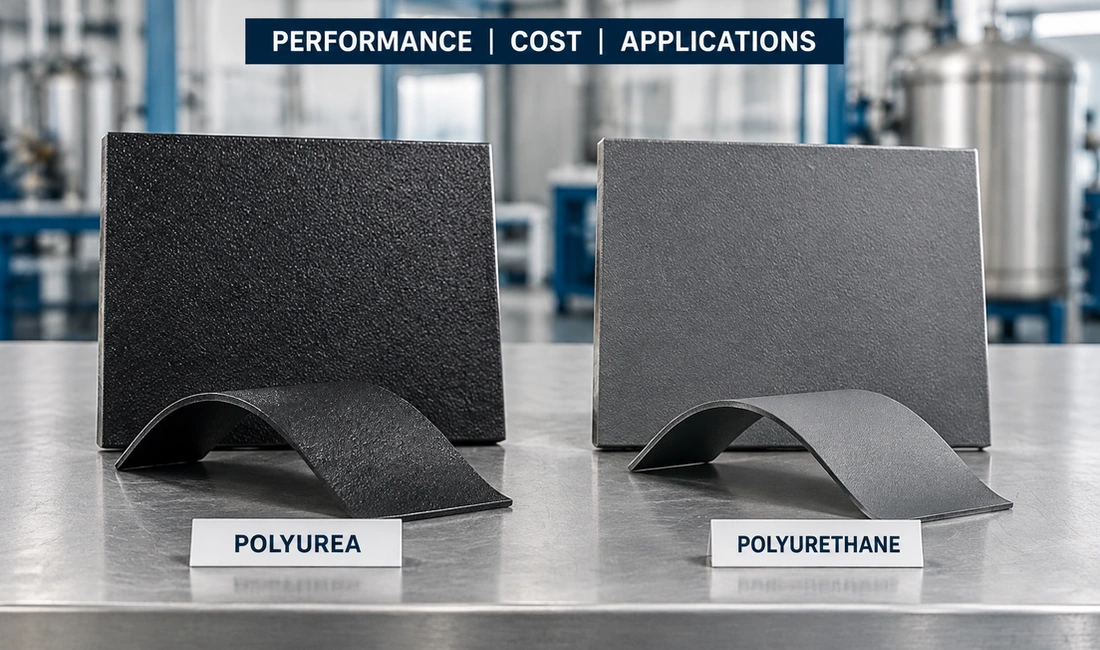
Polyurea often cures faster and works well for high-build spraying. It also offers strong wear resistance in many heavy-duty systems. Polyurethane often gives more working time and a wider range of film properties. The best choice still depends on the job.
| Attribute | Polyurea | Polyurethane |
| Cure speed | Very fast in many spray grades | Usually slower |
| Working time | Short | Longer |
| Wear and impact resistance | Often high | Depends on formula |
| Flexibility | Depends on formula | Depends on formula |
| Moisture during application | Requires control | Requires system-specific control |
| Chemical resistance | Often strong | Depends on resin system |
| UV and color stability | Depends on resin type | Depends on formula |
| High-build spraying | Well suited | System-dependent |
Polyurea usually cures faster than polyurethane. Some fast-set grades gel within seconds under controlled spray conditions.
This fast cure can reduce waiting time between passes. It can also help a coated area return to service sooner. Polyurethane often stays workable for longer. That can help on detailed surfaces, but it may extend the job schedule.
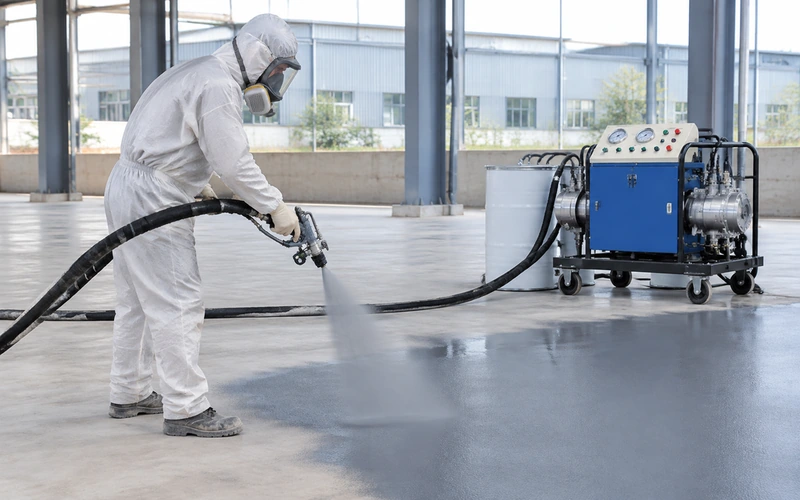
Polyurea often performs well in harsh service areas. Common uses include tank linings, truck beds, industrial floors, pipelines, and wear surfaces.
Its film can resist abrasion and impact when the right formula is used. It can also support chemical and corrosion protection. Polyurethane can provide strong protection too. The coating grade must match the expected wear, chemicals, and service conditions.
Flexibility depends on the coating formula. It should not be judged by the coating name alone.
Some polyurea systems combine high strength with useful stretch. Some polyurethane systems form softer films and allow more movement. This matters on concrete joints, moving panels, and surfaces that expand with heat. A project should compare elongation, hardness, adhesion, and surface movement before making a choice.
A waterproof film does not mean the coating can be sprayed over any wet surface. Moisture during application can reduce adhesion or cause defects.
Both coating types can resist water after they cure. Before spraying, the project team should check surface moisture, primer needs, temperature, humidity, and surface condition. Good surface preparation is important for both systems.
UV resistance depends on the resin and the full coating system. Aromatic polyurea may change color or chalk after long sun exposure.
Aliphatic polyurea usually gives better color stability. Polyurethane also changes with its formula. Outdoor projects should check color retention, weather resistance, and topcoat needs. Neither coating family is always the better UV choice.
Polyurea and polyurethane costs should be compared by total project cost. Material price alone does not show the full cost. Surface prep, coating thickness, equipment, labor, waste, and downtime also matter.
Material cost depends on the resin, film thickness, primer, and surface condition. Rough concrete may need more prep and primer than clean steel.
Complex shapes may also increase coating use and labor. For this reason, cost per kilogram is not enough for a fair comparison. A useful estimate should start with the real surface, target thickness, and coating system.
Fast-set polyurea often needs more control during spraying. The system may need accurate ratio control, material heat, suitable pressure, heated hoses, and a matching spray gun.
Polyurethane equipment needs depend on cure speed, viscosity, and mix method. Polyurea spraying machines should be selected based on the material, spray pressure, project type, and target output.
Application speed can change the real project cost. A fast-curing coating can reduce shutdown time and waiting time.
Poor spray control can still cause overspray and material waste. A slower coating may use a lower-cost material but need more labor or a longer shutdown. Total cost should include all of these factors.
A higher upfront cost can make sense when downtime is expensive. It can also help when the work window is short.
Examples include tanks that must return to service fast, plant areas with short shutdown periods, and large surfaces that need quick high-build spraying. In these cases, faster work may lower the total project cost.
Polyurea is often used for fast-cure waterproofing and heavy-duty protection. Polyurethane coatings may suit jobs that need more working time or different film properties. Polyurethane foam is used when insulation is the main goal.
Waterproofing systems need a continuous film and strong adhesion. Roofs, tanks, and tunnels are common examples.
Spray coatings can cover large or uneven surfaces with few seams. Polyurea can be useful when fast cure and high film build are important. The surface still needs the right preparation and primer before spraying.
Industrial coatings should match the real service conditions. Steel structures, pipelines, plant floors, and machine surfaces may face water, chemicals, abrasion, and impact.
A high-wear area may suit a hard polyurea system. Other projects may suit polyurethane because of its working time, movement, or finish. The final choice should follow the actual exposure.
High-wear surfaces need a tough coating. Industrial floors, truck beds, and wear linings are common examples.
Polyurea is often used when fast cure and high wear resistance are important. The project should also check slip needs, chemicals, surface movement, cleaning needs, and topcoat use.
Polyurethane spray foam is the better choice when surface insulation is the main need. Walls, roofs, cold-room structures, and insulated surfaces are common examples.
The foam expands and forms a cellular layer. Closed cavities, such as panel cores or refrigerator cabinets, normally use injection or pouring systems instead. Protective coatings form much thinner films and do not replace insulation foam.
A project should choose the coating by service needs first. Cure speed, movement, weather, application method, and equipment should then be checked. Material and machine fit must be confirmed before full-scale spraying starts.
Choose polyurea when the job needs fast return to service, strong wear resistance, high-build spraying, or heavy-duty waterproofing.
It also suits projects where the spray team can control temperature, ratio, pressure, and spray technique. Large surfaces can benefit from its fast reaction when the site is ready for steady spraying.
Choose polyurethane when the job needs more working time or a certain film finish. It can also suit projects that need a specific level of flexibility.
The selected formula must still fit the surface and service conditions. Product data should guide the final choice.
Match the spray machine to the material and process needs. Key factors include mix ratio, viscosity, temperature, pressure, output, hose design, and gun type.
A machine should not be treated as suitable for both materials just because both can be sprayed. Some systems can process more than one material family. They still need the correct setup and working range.
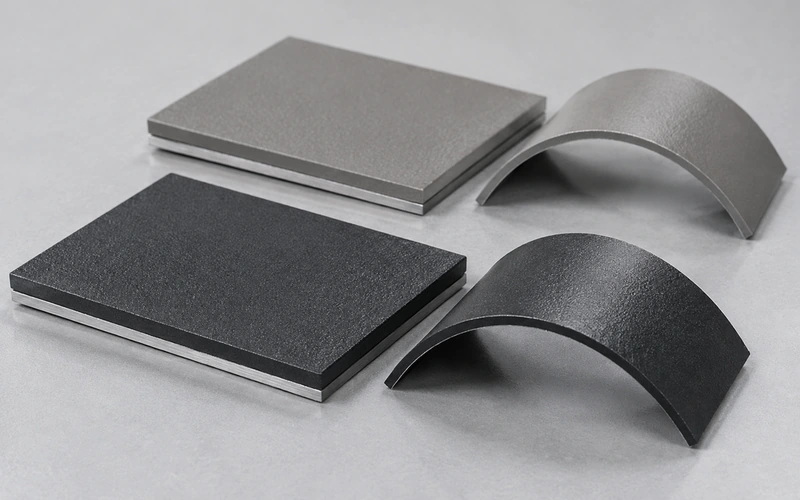
Compare the main project need with the coating and process limits before making the final choice.
| Project Priority | Direction to Evaluate |
| Fast return to service | Polyurea |
| Heavy wear or impact | Polyurea |
| Longer working window | Polyurethane |
| High surface movement | Compare formula data |
| Thermal insulation | PU spray foam |
| Unknown material fit | Confirm material and machine data |
Yes, but only when the old polyurethane coating is sound and the new polyurea system is compatible.
The project should check adhesion, dirt, oil, surface profile, primer needs, and material instructions. A small test area can confirm bond quality before full application.
No. The correct surface preparation depends on the substrate and coating system.
Concrete may need cleaning, profiling, moisture checks, and primer. Steel may need degreasing and abrasive preparation. Old coatings may need sanding, removal, or a compatible tie coat.
Yes, especially when the substrate, coating, or machine setup is new.
A test area can check spray pattern, cure, adhesion, finish, and handling. It can also show ratio, heat, pressure, or prep problems before they affect a larger area.
The right system starts with the service needs. The spray equipment should then match the selected material. Project teams can contact BOBO with the coating type, mix ratio, target output, and substrate details. Drawings, samples, or target specifications can support the equipment review before production.